

Home > Mental Health Tips and Advice > What do different dreams mean?

What do different dreams mean?

Every night, after we fall asleep, we spend around two hours dreaming, in episodes between 15 and 40 minutes. Collectively, that means the entire planet produces no less than 35 billion dreams in 24 hours: dreams about flying or falling, about being chased or arriving late for an exam, funny, terrifying or nonsensical dreams that have us scratching our heads when we wake up. Throughout history, people have been fascinated with dreams and have even given them mystical connotations: in ancient Egypt, people believed that dreams were like oracles and that they carried messages from the gods, while Indigenous American tribes believed that dreams were a way to communicate with ancestors. 


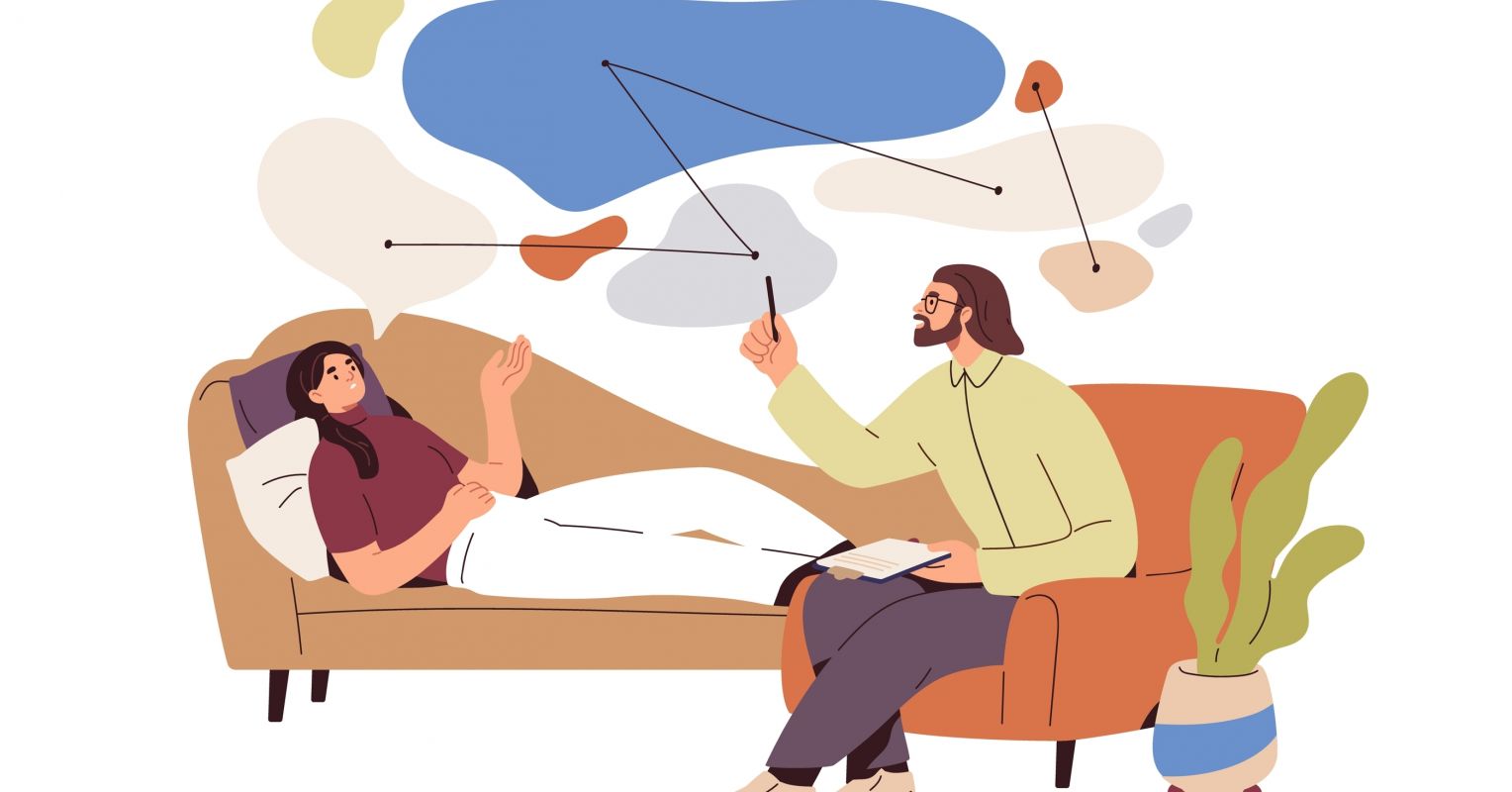
There may not be something mystical about dreams, but dreams do have a deep psychological meaning. Sigmund Freud said that dreams are a road to the unconscious and, by learning to analyse them, we can understand our unconscious desires. Modern theorists don’t quite agree with Freud’s interpretation of dreams, but they do emphasise that dreams can tell a story and connect with events and emotions we experience when we are awake. 


We’ve put together a list of the most common dreams and their possible interpretations. But remember, these meanings aren’t set in stone. Depending on how the dream made you feel and various events that are happening in your life, it may mean different things to you. 

Falling 

Dreams of falling are quite common, but that doesn’t make them any less unpleasant. Sometimes, when you’re rolling off the edge of the bed, your brain can integrate that into your dream, and you’ll dream that you’re falling off a cliff or another high place. However, dreams about falling can also stem from feelings of anxiety, inadequacy, or insecurity. For example, you may feel unprepared for a situation or worry that you’re not doing well enough. When you’re not panicked about falling in your dream, that may suggest you’re confident about a change in your life. 

Being chased

Another common theme, dreams of being chased are your mind’s way of telling you that you’re avoiding something. That something can be a responsibility, such as a complex project at work, a meeting with someone you don’t particularly like, or the chaser can even be a subconscious representation of your own emotions. 

Back to school (and being unprepared for a test)

You may be well into your adult years and still dream that you’re back to school and taking a test you’re not ready for. In fact, this is one of the top five recurring dreams. Most of us haven’t stepped foot in a classroom for decades, so why do we have this dream? Psychologists argue that dreams about exams could mean you’re experiencing stress and anxiety in real life. If in your dream you’re about to sit in an exam that you haven’t revised for, maybe you’re going through some challenging times and you don’t feel prepared. You may also have self-esteem issues or worry that you’re not good enough. 

Flying 

Dreams of flying can mean different things, depending on how you feel in your dream and how much control you have. For example, if you’re blissfully floating or flying high over the city skyline, that’s an exhilarating sensation that could mean you’re happy with where you are and have complete control over your life. But if you’re struggling to stay in the air, or you’re hitting obstacles on your way down, that could mean you don’t feel capable of achieving your goals. 

Death 

Dreaming of someone dying is one of the scariest experiences you can have in your sleep. When you wake up, you may even experience a strange sense of loss or worry that something wrong is about to happen to someone you love. But don’t worry, dreaming of someone dying doesn’t mean they will die in real life; in fact, these dreams have nothing to do with death. In dreams, death means different things, depending on who died: 


  • If you dream of yourself dying, that means you’re in the middle of a basic life transition 
  • If you dream that a friend is dying, your friendship might be going through changes 
  • If you dream that a pet is dying, you may be afraid of losing someone’s companionship 
  • Dreams of loved ones who passed away are usually seen as a way of coping with grief 

In dreams, death is a metaphor for change, and it’s not so much the death that matters, but your attitude towards it. If you’re afraid, you might not feel ready for change yet, whereas if you’re at peace, you’re ready to embrace it. 

Driving an out-of-control vehicle 

Dream of driving a vehicle represents you are on a certain path, and the fact that the vehicle is out of control means that you feel confused about your direction in life or that you don’t feel “at the wheel” of your own destiny. The obstacles on the road in your dream are the equivalent of the obstacles that stand in the way of getting what you want. 

Talking to someone can help

If recurring dreams or restless nights are pointing at something deeper, exploring it with a therapist can bring real clarity.

Find your therapist
Free matching · no pressure, no obligation

Your teeth are falling out

Did you know that 39% of people have dreamt at least once of losing their teeth? Whether they crumble in your mouth or fall one by one, falling teeth in dreams can make us feel quite uncomfortable – and that’s because teeth represent the way others perceive us. Dreaming that you’re losing your teeth could mean that you’re insecure about your appearance or that you’re afraid of somehow embarrassing yourself. Since we use our teeth to eat and speak, dreaming of losing your teeth could also mean that you feel powerless or unable to express yourself. 

Why am I having recurring dreams?

Recurring dreams are likely to stick with you for longer, and you may wonder what your subconscious is trying to tell you. According to Carl Jung, recurring dreams come up to demand your attention on something you’ve been ignoring or neglecting, as a way of compensating. It could be an unresolved conflict, unmet needs, problems you haven’t addressed, or aspects of your life that are causing you frustration. If your dreams seem to follow the same patterns, talking about them in therapy is a great way of understanding yourself.

Dreams about being naked in public

None of the changes below touch other sections — I’ve applied only the fixes the audit flags for “naked in public”: vary the boilerplate CTA and fold in concrete differentiators (free placement call, personally-vetted therapists, real people not algorithms), replace the shared “hold it lightly” motif, and tighten a few of the passive hedges while keeping the disclaimer tone. Every `[S n]` citation is preserved in the same comma-free page style.

If you’ve ever dreamt of turning up somewhere with no clothes on and only realising once it’s too late, please know you’re in good company. Being naked in public is one of the most commonly reported dream themes, sitting right alongside being chased, falling, or sitting an exam you never revised for [1]. Reassuringly, these dreams are very rarely thought to be about your body at all — they’re far more often interpreted as feeling exposed, seen, or worried that others might glimpse the “real” you beneath the surface [2][3][4].

Where the dream takes place can shift its flavour. Finding yourself undressed at work often points to professional self-doubt or those familiar “imposter” feelings [5][6], while being caught out at school usually reflects anxiety about being judged or evaluated [6]. Standing bare among strangers, meanwhile, tends to echo more general social worries — a sense of not quite fitting in [7].

The details matter too. Interestingly, a dream where you’re naked but *nobody seems to notice* is frequently offered as gentle reassurance: a sign that your own self-criticism may be far harsher than anyone else’s actual scrutiny [8][2]. And if you feel unbothered or even free in the dream, some suggest this can reflect a growing sense of authenticity and self-acceptance [9].

None of this is settled science, though. These interpretations come from popular and spiritual writing rather than clinical research, and some experts believe such dreams may carry no particular meaning at all [10] — so please treat them as food for thought, not fact. If naked-in-public dreams keep recurring or leave you feeling genuinely anxious, you may be carrying some waking-life stress that’s worth exploring. When you’re ready, we’ll match you with a personally-vetted therapist who truly understands — real people, not algorithms, make the connection — and it all starts with a free, no-pressure placement call.

Dreams about infidelity

Dreams about a partner being unfaithful — or about being unfaithful yourself — can be some of the most upsetting to wake from, leaving guilt, hurt or suspicion hanging over your morning. If you’ve had one, please take a breath: there’s no concrete evidence that dreams about cheating mean anything specific, and some may carry no meaning at all [11]. A dream like this is not a premonition, and it isn’t proof of what you or your partner truly want.

Where these dreams are given meaning, it tends to be less about literal betrayal and more about *feeling* cheated — of attention, time or emotional closeness, perhaps when work, a new baby or other pressures pull a relationship’s focus away [12][13]. The details can colour that reading: a partner with a stranger, an ex or a friend, or being the one who strays, which more often points to guilt or a sense of acting against your own values than to genuine desire [12]. These are gentle possibilities to reflect on, not verdicts.

Try to treat any interpretation as a question, not a conclusion. Reading dreams as fixed, deterministic signs can do real harm — stirring anxiety, suspicion or conflict — when people treat a symbol as fact [14]. Rather than confronting a partner with a dream as evidence, it can help to sit with how it left you feeling, jot it down, and, if something surfaces, open a warm conversation about the emotion rather than an accusation [12].

If dreams like these keep returning or start to weigh on you or your relationship, you don’t have to untangle them alone. A free placement call is an easy place to begin: real people, not an algorithm, take time to understand you and match you with a personally vetted therapist who’s well suited to walk that part of the journey with you. This is information to reassure and guide you, not a substitute for personalised professional advice.

Dreams about pregnancy

Dreaming about pregnancy can feel vivid and unsettling, especially if you’re not expecting a baby or aren’t trying to conceive. It’s one of those dreams that often leaves you wondering the moment you wake — so let’s gently unpack it together. First, a reassurance: a dream about being pregnant doesn’t mean you are pregnant, and it doesn’t predict one either.

What dreams *can* do is mirror what’s going on in your waking emotional life. Research suggests dream content tends to correspond with the dreamer’s real psychological situation and concerns [15][16], and that dreams are shaped far more by emotion than by literal events [17]. That’s why many people find it helpful to read a pregnancy dream not as a forecast, but as a possible reflection of something new taking shape for you — a fresh idea, a relationship, a big decision, or a season of growth and change. These are popular interpretations, though, not clinical facts.

It’s worth knowing there’s no universal dictionary where a symbol always means the same thing for everyone. Meaning is deeply personal — it depends on your own life and how the dream actually felt to you. Treating rigid “this always means that” readings as certainties can stir up needless anxiety [14], so it’s kinder to stay open and curious about what rings true for you than to lock onto a single fixed meaning.

If pregnancy dreams keep returning, leave you anxious, or touch on tender areas — trying to conceive, a past loss, or worries about your body or the future — you don’t have to make sense of them on your own. This is information rather than a diagnosis, but talking things through with a qualified therapist can bring real clarity and reassurance. When you’re ready, it starts with a free placement call with a real member of our team — not an algorithm — who takes time to understand what you’re going through and personally matches you with a carefully vetted therapist you can trust.

Animal dream meanings (what specific animals in dreams mean)

Animals are some of the most vivid things our minds reach for while we sleep, and it’s completely natural to wake up wondering what they meant. In Jungian and popular dream interpretation, animals often stand for the more instinctive, feeling parts of us — the emotions and urges that everyday life keeps politely in check. A loyal dog might suggest friendship or protection, a snake change or something hidden, a predator giving chase a worry you feel pursued by. It can be genuinely comforting to look at your dreams this way, and there’s a real thread of evidence that dream content tends to mirror your waking emotional concerns rather than random noise [15][16].

That said, we’d gently encourage you to treat these meanings as a starting point, not a verdict. There is no validated, universal “symbol dictionary,” and the very same animal can mean quite different things from one person to the next — a dog is pure warmth to one of us and something frightening to someone who was once bitten. Dreams appear to be shaped far more by emotion than by any literal message [18], so the context — how the animal made you feel, and what’s happening in your life right now — matters far more than a fixed list of definitions. Reading a dream too rigidly, as a fortune-telling “this means that,” has actually been linked to real anxiety and distress [14], which is the last thing we’d want for you.

A kinder question than “what does this animal mean?” is often “what might this dream be telling me about how I’m feeling?” Gently noticing which animals appear, and the emotions they carry, can be a lovely way to understand yourself a little better — and it’s something a good therapist can explore alongside you [19]. If distressing or recurring animal dreams are unsettling your sleep or leaving you anxious, please know you don’t have to make sense of them on your own.

When you feel ready, we’re here to help — with real people, never an algorithm. Every therapist we suggest has been personally interviewed by us, so you’re matched with a trusted professional who genuinely suits you. You’re warmly welcome to begin with a free placement call, at your own pace, and explore what your dreams may be reflecting with someone alongside you.

How to interpret your own dreams

If you’ve ever reached for a “dream dictionary” hoping for a neat answer, it helps to know there’s no fixed code where one symbol always means the same thing. Researchers who study dreaming caution that rigid, one-size-fits-all interpretations can actually do harm — leaving people anxious, or acting on readings that were never meant to be taken literally [14]. The more useful truth is gentler: a dream’s meaning is deeply personal to you and to what your life holds right now.

That doesn’t mean dreams are random. Their content often mirrors your waking emotional concerns and personality rather than predicting events [15][16], and the vivid, emotional quality of dreaming seems to reflect how your brain processes feelings far more than anything literal [17]. So instead of asking “what does a snake mean?”, it’s usually more revealing to ask how the dream made you *feel* — and what, in your life at the moment, carries that same feeling.

A gentle way to begin is to note the dream down soon after waking: the emotions, the people, the overall sense of it. Then look for the threads that connect to what you’re carrying just now. Be kind to yourself as you do — there’s no single “right” answer waiting to be uncovered, and some dreams may simply reflect the day you’ve had.

If certain dreams keep returning, or nightmares are disturbing your sleep and leaving you distressed, that’s worth taking seriously — and the NHS has guidance on when disturbed sleep or recurring nightmares are worth getting help for. You don’t have to make sense of it on your own, either. Exploring dreams is a familiar part of many therapists’ work, and most clients who do find it genuinely helpful [20]. This page is here for information and reassurance, not diagnosis — so if your dreams are weighing on you, we’d be glad to match you with a therapist we’ve personally vetted (real people, not algorithms), starting with a free, no-pressure placement call so you can explore them together at your own pace.

Ready to take the next step?

If recurring dreams or restless nights are pointing at something deeper, exploring it with a therapist can bring real clarity.

Find your therapist
Free matching · no pressure, no obligation

More Posts

Deflection: Meaning, Signs & Support

What deflection is, why we do it, and how to notice it — with trusted support from UK Therapy Guide....

Deflecting: What It Means & Why We Do It

What deflecting looks like in everyday life, why it happens, and how therapy helps you face things directly....

Mental Health and the NHS: How to Get Support

How to access NHS mental health support in England — from self-referral to NHS Talking Therapies to what to expect...