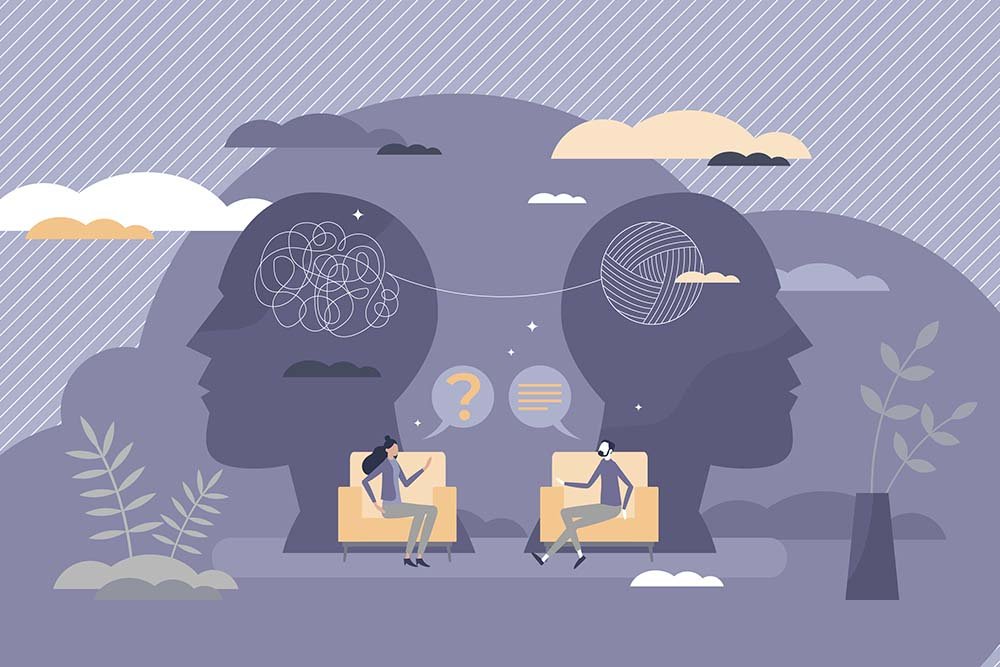


In the intricate tapestry of mental health treatments, psychodynamic therapy stands as a profound and time-tested approach. Rooted in the depths of human psychology, this therapeutic method explores the intricate connections between past experiences, unconscious thoughts, and present behaviour. In this blog post, we will embark on a journey to understand the essence of psychodynamic therapy, exploring its principles, techniques, and the transformative power it holds for those seeking self-discovery and emotional healing.
The Foundations of Psychodynamic Therapy:
Psychodynamic therapy, often associated with the teachings of Sigmund Freud, delves into the unconscious mind to unravel the complexities of human behaviour and emotions. It operates on the belief that our early life experiences and unconscious thoughts profoundly influence our thoughts, feelings, and actions in adulthood. By exploring and resolving these unconscious conflicts, individuals can achieve profound emotional healing and self-awareness.
Key Principles:
- Unconscious Mind: Psychodynamic therapy posits that much of our thoughts and emotions are rooted in the unconscious mind. By bringing these hidden thoughts to the surface, individuals can gain insight into their behaviours and motivations.
- Role of Childhood Experiences: Early childhood experiences, especially those involving relationships with caregivers, shape our personality and emotional patterns. Psychodynamic therapy explores these formative experiences to identify unresolved conflicts and their impact on current life.
- Defence Mechanisms: Individuals often develop defence mechanisms to cope with unpleasant emotions and experiences. Psychodynamic therapy helps in identifying and understanding these defence mechanisms, allowing individuals to address underlying issues.
- Transference and the Therapeutic Relationship: Psychodynamic therapy emphasises the therapeutic relationship between the therapist and the client. Transference, where the client projects feelings onto the therapist, is explored and used as a tool to understand unconscious patterns of relating to others.
The Therapeutic Process:
- Free Association: Clients are encouraged to speak freely without censorship, allowing their thoughts and emotions to flow naturally. This technique often reveals unconscious thoughts and associations.
- Dream Analysis: Dreams are considered the “royal road to the unconscious.” Exploring dreams in therapy can uncover hidden emotions, desires, and fears, providing valuable insights.
- Interpretation: The therapist interprets the client’s thoughts, emotions, and behaviors, helping them make connections between unconscious conflicts and present issues.
- Working Through: Clients work through their emotional experiences and gain insight into their unconscious patterns, allowing them to resolve past conflicts and develop healthier coping mechanisms.
Benefits of Psychodynamic Therapy:
- Self-Discovery: Psychodynamic therapy facilitates deep self-exploration, helping individuals uncover hidden aspects of their personality, motivations, and emotions.
- Emotional Healing: By addressing unresolved conflicts and gaining insight into unconscious thoughts, individuals can experience profound emotional healing and relief from symptoms like anxiety and depression.
- Improved Relationships: Understanding one’s unconscious patterns can lead to improved relationships, as individuals develop healthier ways of relating to others.
- Personal Growth: Psychodynamic therapy fosters personal growth and self-acceptance, empowering individuals to lead more fulfilling and authentic lives.
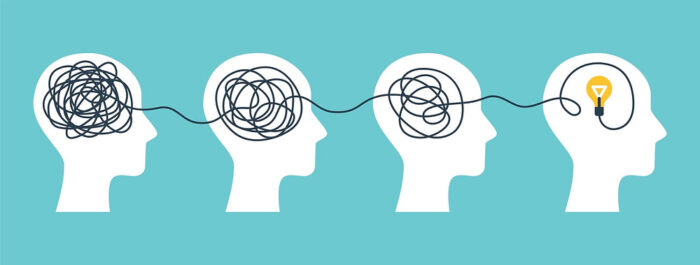
In the realm of mental health therapies, psychodynamic therapy stands as a testament to the intricate workings of the human mind. Through exploration, understanding, and insight, individuals can embark on a transformative journey toward self-discovery, healing, and personal growth. In the hands of a skilled psychodynamic therapist, the layers of the human psyche are gently unraveled, revealing the resilience and strength that lie within, offering a pathway to a more enriched and fulfilling life.