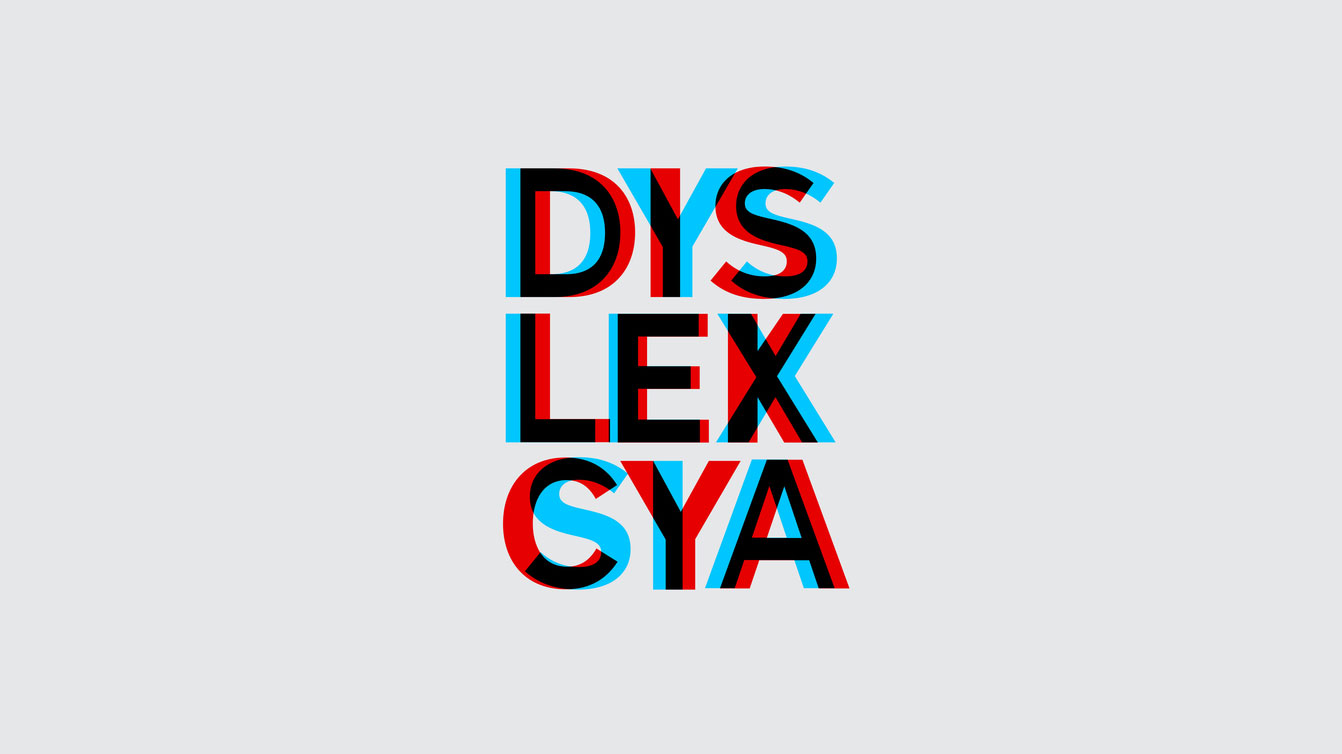


Dyslexia, a neurological condition that affects reading, writing, and spelling, can pose significant challenges in an individual’s academic and professional life. However, with the right support and interventions, individuals with dyslexia can overcome these challenges and thrive. Therapy, in various forms, plays a crucial role in empowering individuals with dyslexia to reach their full potential. In this article, we will explore the different therapeutic approaches that can help individuals with dyslexia build essential skills, boost their confidence, and succeed academically and beyond.
Understanding Dyslexia:
Dyslexia is more than just a difficulty in reading; it involves differences in how the brain processes language. Individuals with dyslexia often have trouble recognising and decoding words, leading to challenges in reading fluency and comprehension. Dyslexia is a lifelong condition, but with appropriate interventions, individuals can learn effective strategies to manage their symptoms.
Therapeutic Approaches:
- Orton-Gillingham Therapy: Orton-Gillingham is a structured, multi-sensory approach specifically designed for individuals with dyslexia. It focuses on teaching phonics, decoding, spelling, and comprehension using a systematic and personalised method. This approach employs visual, auditory, and kinesthetics techniques to reinforce learning.
- Phonological Awareness Training: Phonological awareness, the ability to recognize and manipulate sounds in spoken language, is often impaired in individuals with dyslexia. Therapy that focuses on enhancing phonological awareness skills can significantly improve reading and spelling abilities.
- Assistive Technology: Various assistive technologies, such as text-to-speech software, speech recognition programs, and audiobooks, can aid individuals with dyslexia in their academic pursuits. These tools help bridge the gap between their reading difficulties and the information they need to access.
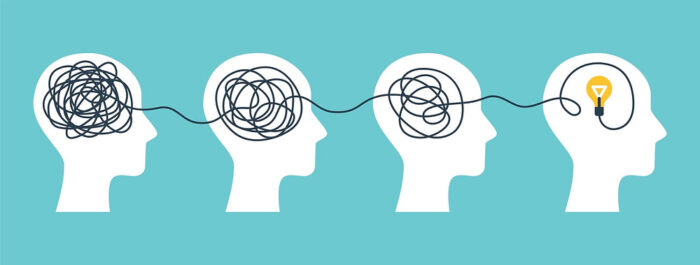
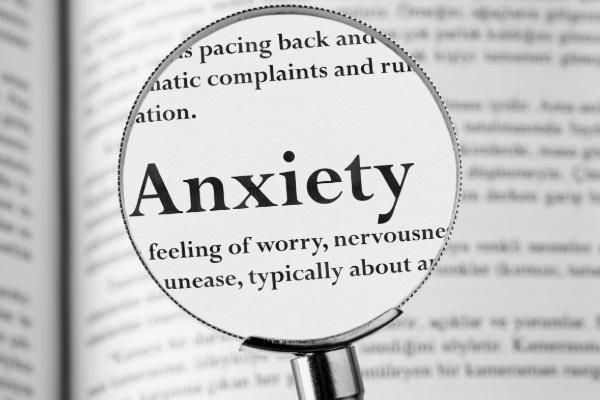
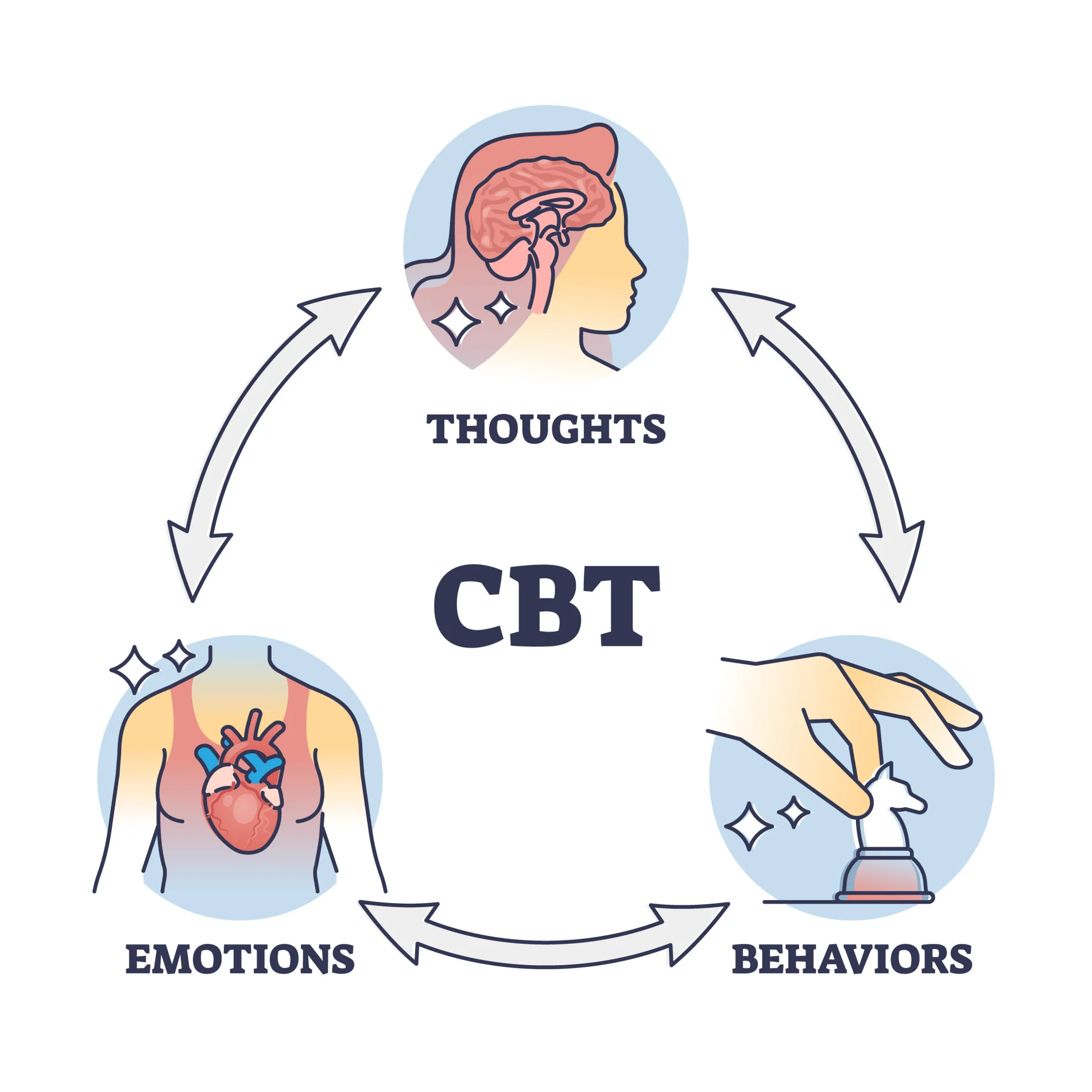
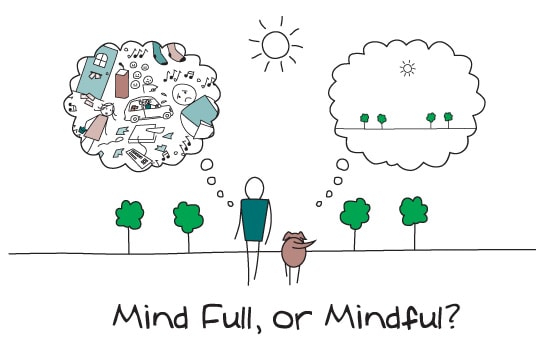
- Cognitive Behavioural Therapy (CBT): CBT can be beneficial for managing the emotional challenges associated with dyslexia, such as low self-esteem, anxiety, and frustration. By addressing negative thought patterns and building self-confidence, individuals can develop a more positive mindset towards learning.
- Educational Therapy: Educational therapists work one-on-one with individuals with dyslexia, tailoring their approach to the specific needs of the individual. They focus on building reading and writing skills while also addressing underlying issues related to attention and memory.
Empowering Individuals:
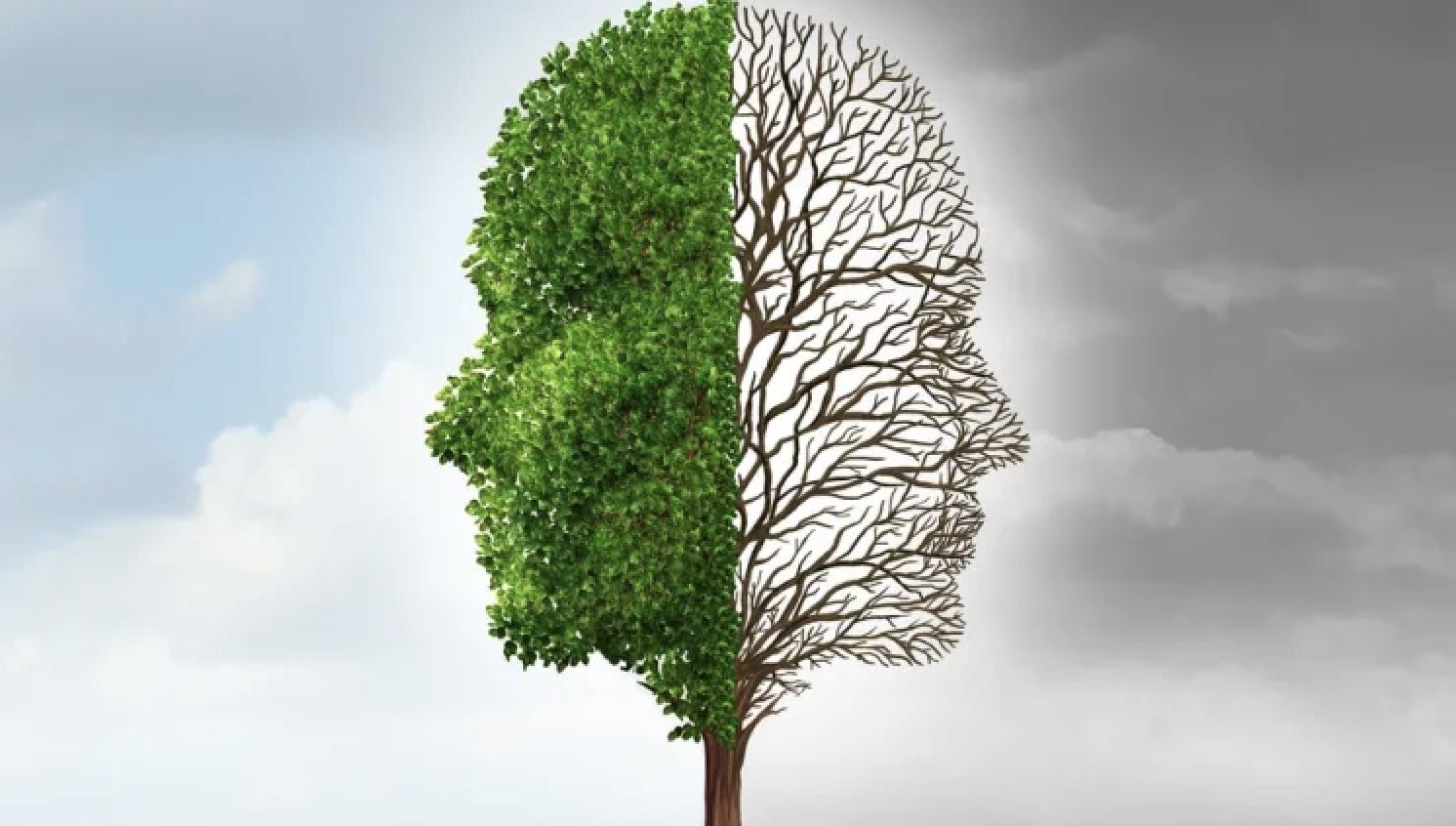
Therapy for dyslexia is not just about overcoming challenges; it’s about unlocking potential. With the right support, individuals with dyslexia can develop strong literacy skills, improve their self-confidence, and excel in various aspects of life. Additionally, therapy provides a safe space for individuals to express their frustrations and fears, fostering emotional well-being and resilience.
Dyslexia might present challenges, but it does not define a person’s capabilities. Therapy offers a roadmap to success, providing tailored interventions that address specific difficulties and nurture strengths. By embracing the support of therapists and educators, individuals with dyslexia can navigate the world of words with confidence, achieving academic milestones and realising their full potential in every aspect of their lives.