

Finding a Therapist
When you first decide that you would like or need to have therapy, one of the big questions that seems to spring to everyone’s mind is “How do I find a therapist?”. This tends to put a lot of people into a panic of asking themselves lots of questions such as “What type of therapist do I need?”, “Will I get on with my therapist?”, “Will my therapist be the best therapist for me?”. This is often what causes many people to contact a private paid therapist, rather than waiting for an allocated one on the NHS.
So, how can you find the right therapist for you and where do you start looking?
Helpful Tips
First of all, you will already know the reason why you are wanting to have counselling. This can sometimes be for various reasons, or it may just be a specific reason such as bereavement, couples therapy, illness, anxiety or trauma. If it’s just one main reason why you are seeking a professional, you can do a simple search and view the profiles of therapists who specialise in these areas. The handy thing these days is that all private therapists have wonderful profiles detailing their experience, providing a photo of what they look like and a description of how they feel they can help you. You could almost compare it to a dating website.
However, what if the reason you are wanting therapy is for multiple reasons? How would you then manage to find the right one for you? How about you think about the most important issue that you are currently dealing with? What category does that fit into? Try searching for a therapist who specialises in this area as you will often find that their skills and experience covers a number of different things. You may also find that one difficultly that you are experiencing, is linked the to the next.
When you are looking through these profiles, you will find that there will be lots of choice. So, why not limit your choices beforehand to make your search easier? Decide if you would prefer a female or male therapist to make you feel at ease. This will limit your search and make it easier for you to find the therapist that suits your requirements.
What Type of Session?
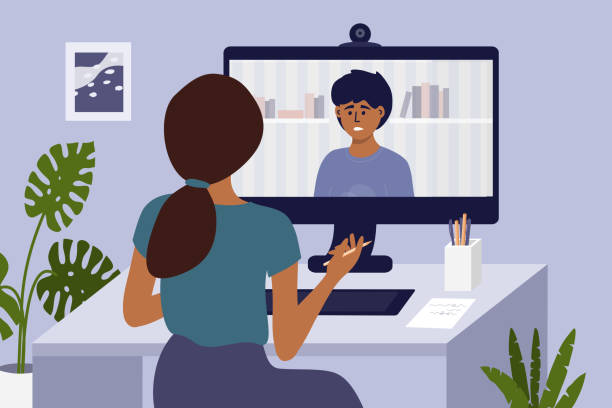
Now, this is the next big question that everyone seems to ask. What type of session will work for you? In this day and age, with the technology that we have, there isn’t always the need to have a face to face therapy session any more. You can have Skype therapy sessions, telephone sessions and a multitude of different online applications that can be used for you to have counselling. Some people prefer to be able to have a session in a treatment room, laying on a couch, but some people find this very daunting. If you find this daunting, then perhaps a telephone or Skype session would be more attractive to you. Perhaps you have a busy lifestyle and don’t have the time to travel to a treatment room. Long gone are the days when this in necessary as many therapists offer this online or telephone service in order to make things easier for you to get the help you desire.
But, what happens if I don’t like my chosen therapist?
This is something that can happen. If you think about it logically, a therapist is just a human being and they all work in different ways. It’s like meeting a new friend, as soon as you meet someone, you tend to know straight away whether you are going to click with them and get on with them or not. If you are finding that you have not connected with your chosen therapist, this isn’t a problem at all. Sometimes it’s a matter of trial and error to find the right one that works for you. Keep trying, because if you are suffering from any kind of negative feelings, help is at hand and you don’t have to deal with them on your own.
UK Therapy Guide has many different therapists with different backgrounds and specialisms. To find a suitable therapist, check out their profiles by clicking here.