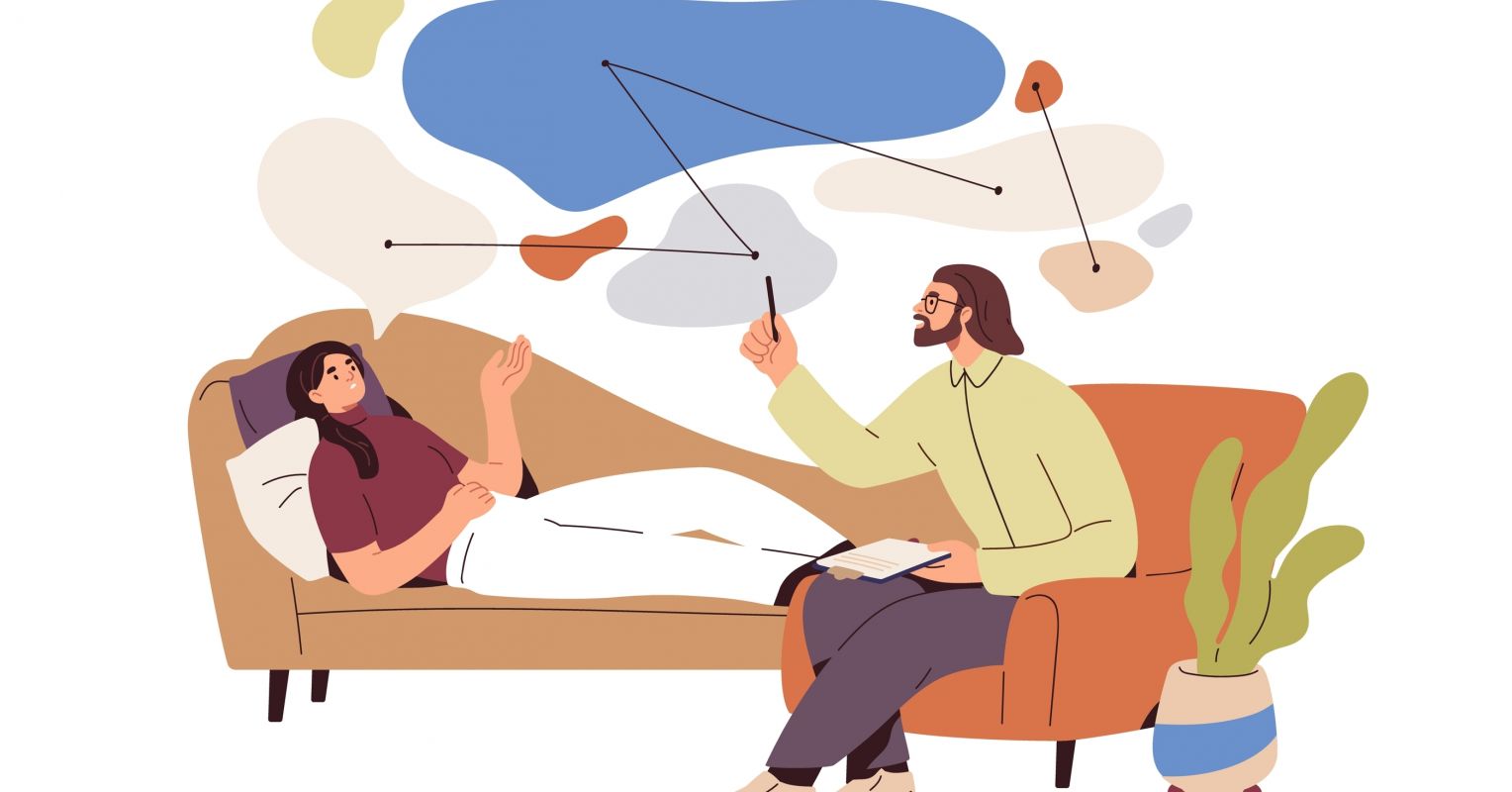


When most of us think about what it would be like to go to therapy, we imagine ourselves sitting in an office and talking to our therapist face-to-face. We might even see ourselves lying on the couch, the same way it’s depicted in movies.
In recent years, online therapy has grown in popularity, becoming an essential service during the coronavirus pandemic. But this isn’t really a new concept. Even Sigmund Freud used letters to communicate with his clients. If you’re reading this article, it could be because you’re also considering online therapy, but you’re still a bit wary because you don’t know what to expect. Keep reading to find out how online therapy works and its main advantages.
What is online therapy?
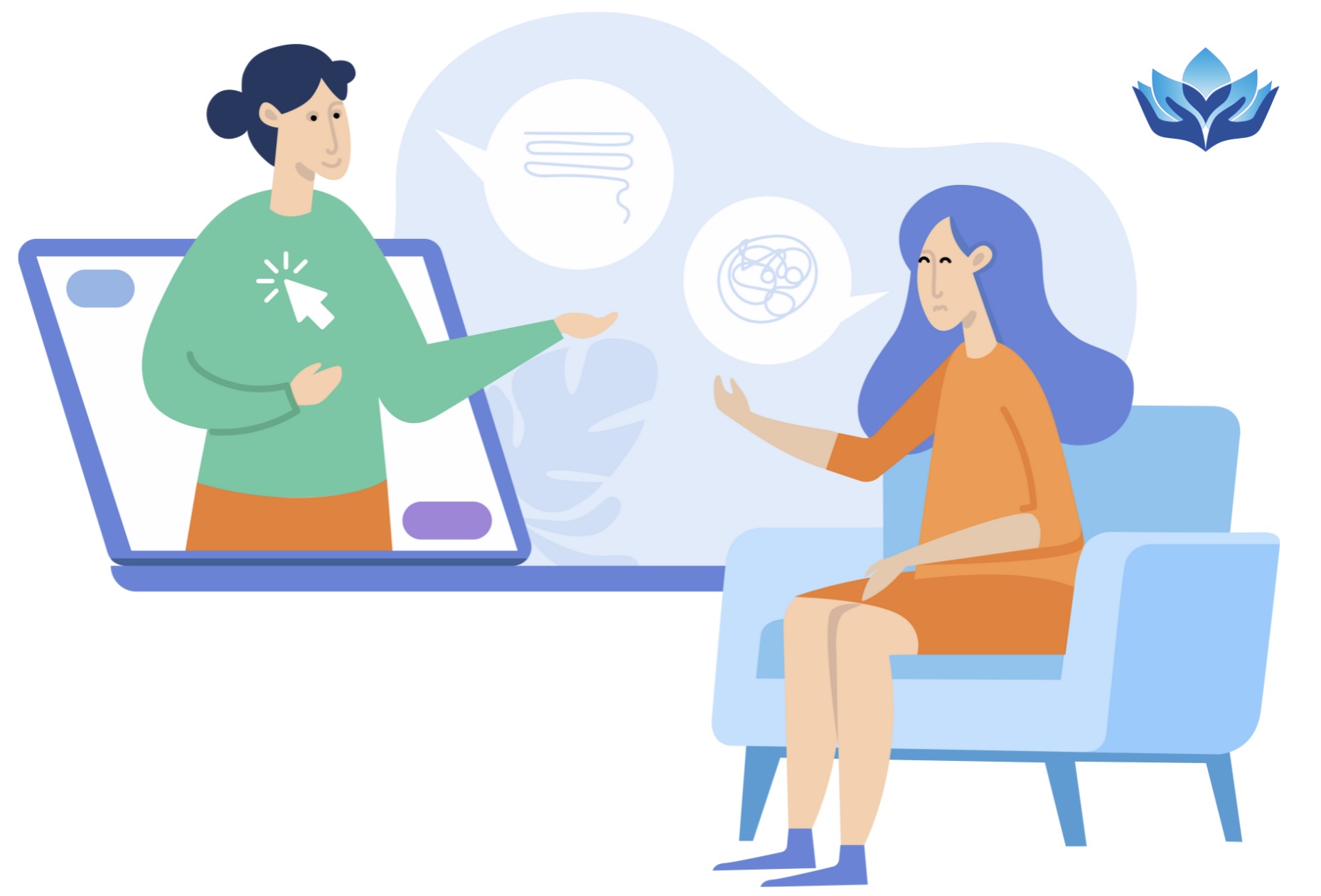
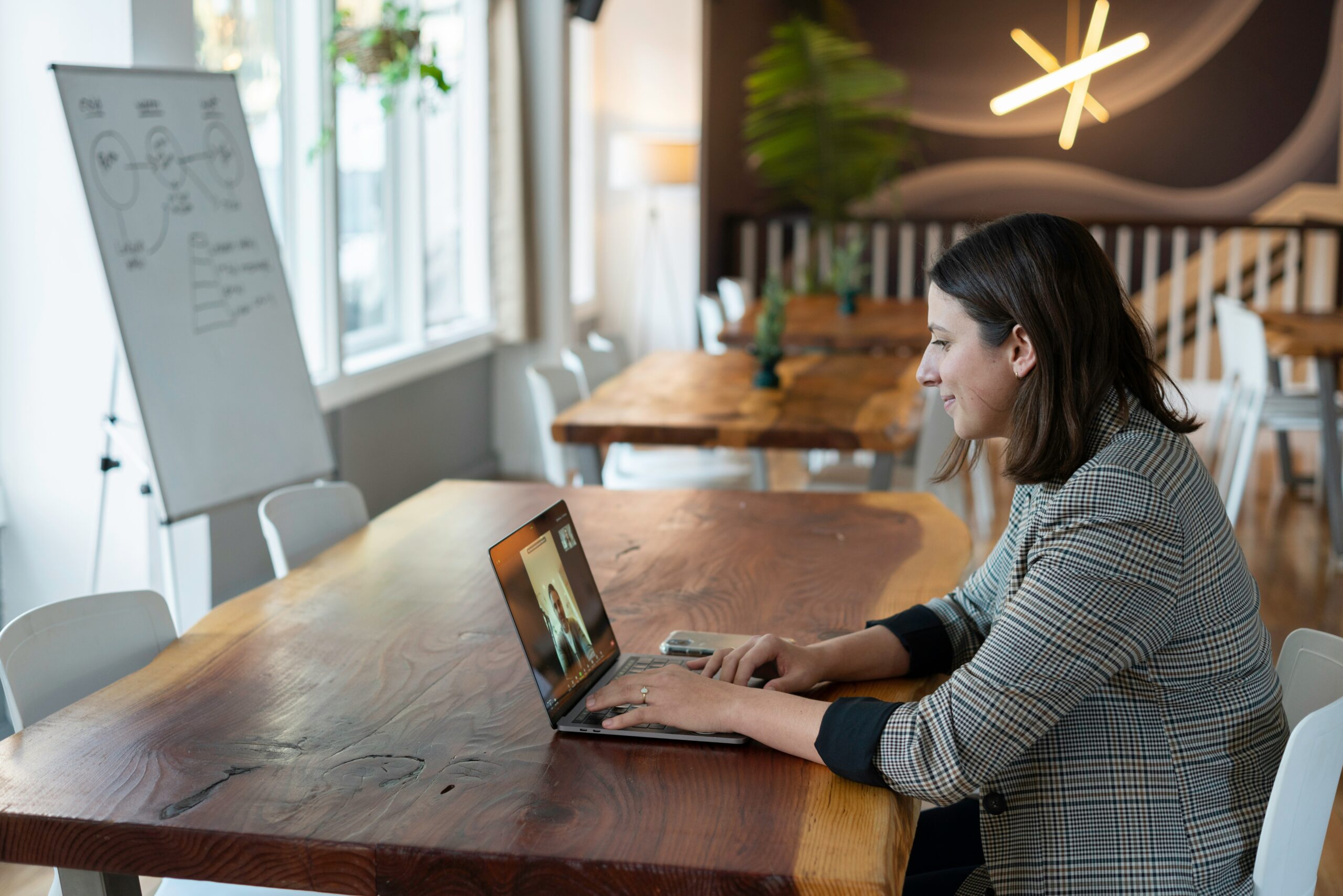
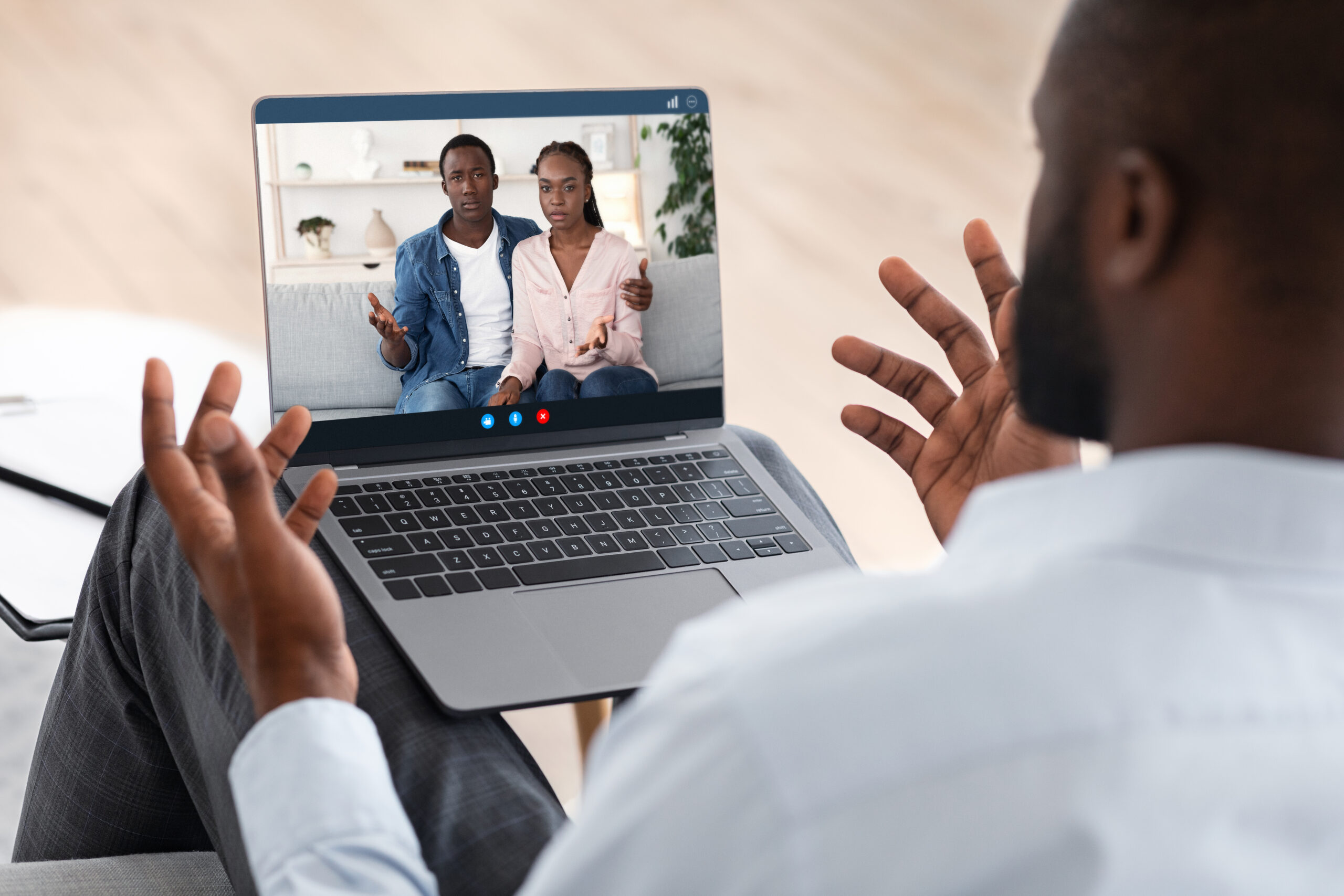
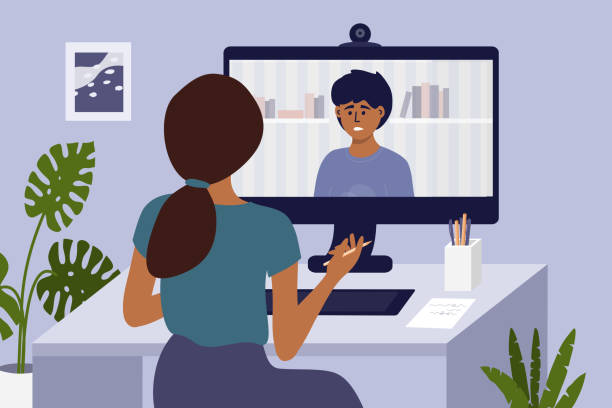
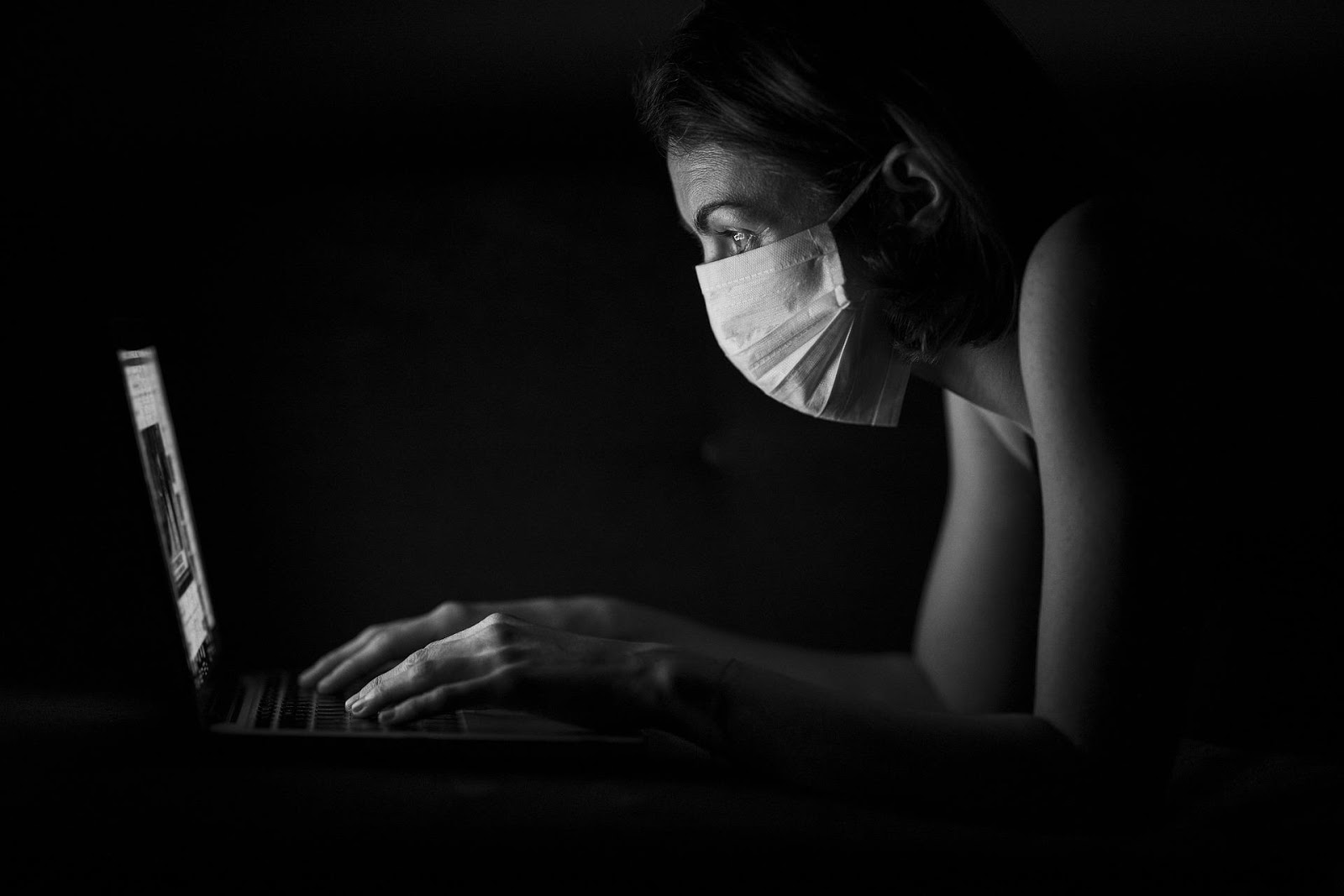
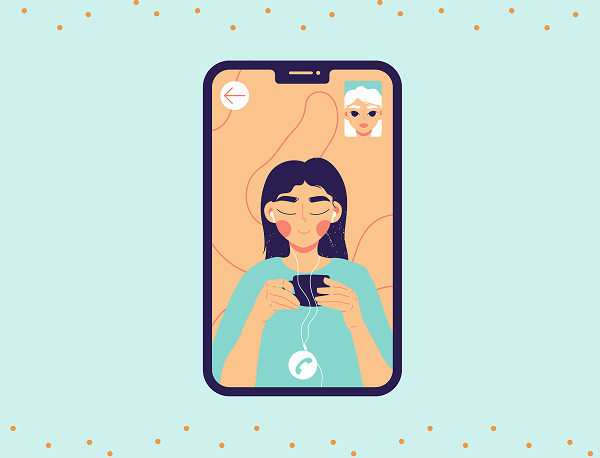
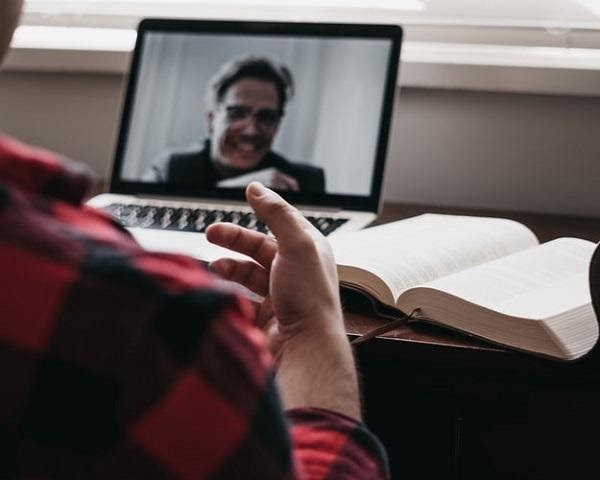
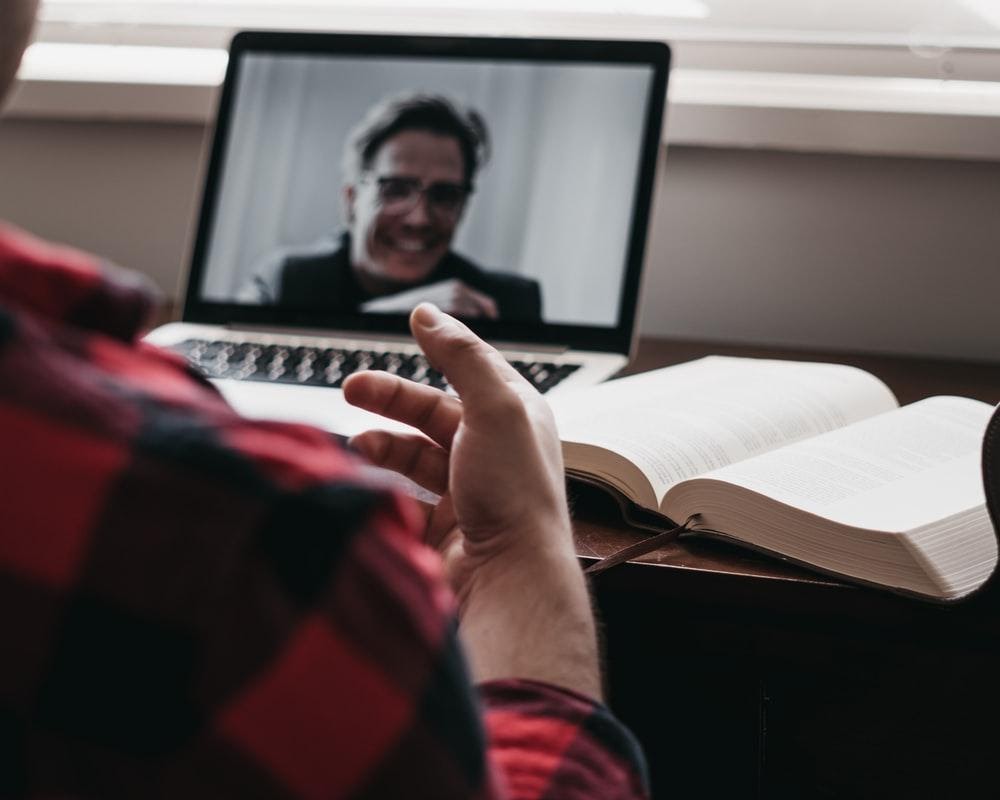
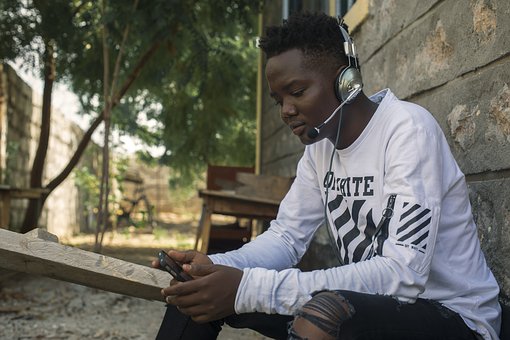
As the name suggests, online therapy means providing mental health services and support through the internet. It’s also commonly referred to as e-therapy or teletherapy. Primary tools for communication can be videoconferencing, phone conversations, text messages, emails and real-time chat. You, as the client, can choose which medium you are most comfortable with.
In regards to the therapists, they can differ in training and credentials, but any reputable site will show you what kind of license each therapist has. It’s important to note that an online therapist will require the same level of training as a traditional face-to-face therapist.
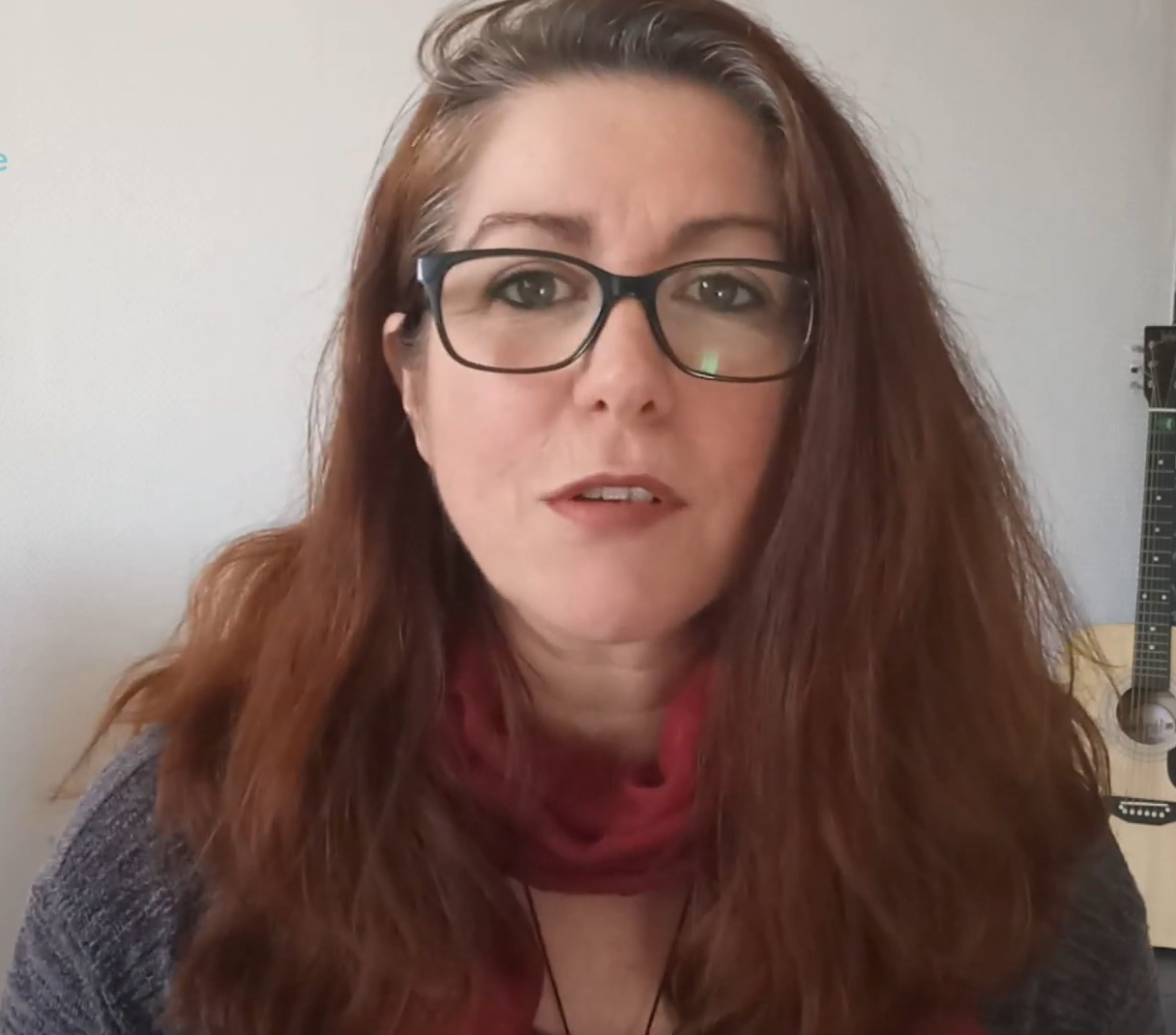
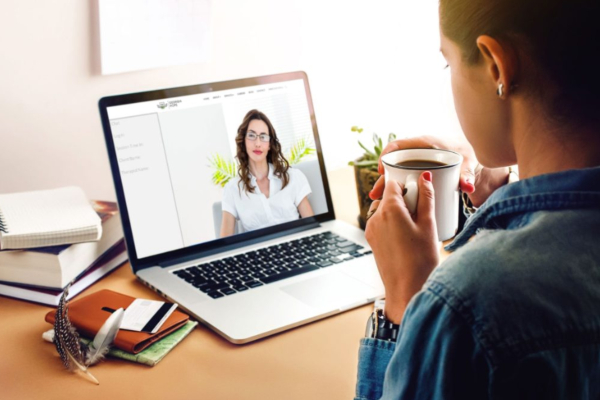
Some sites will allow you to choose from a database of therapists they work with. You’ll see their pictures and can read their bios. Other sites will give you a short questionnaire and, based on your answers, will try to evaluate your needs and match you with the appropriate therapist but you will still be given the option to switch to someone else.
Same as in traditional therapy, you will be able to communicate with the same therapist every time so you can gradually build a therapeutic alliance.
Advantages of online therapy
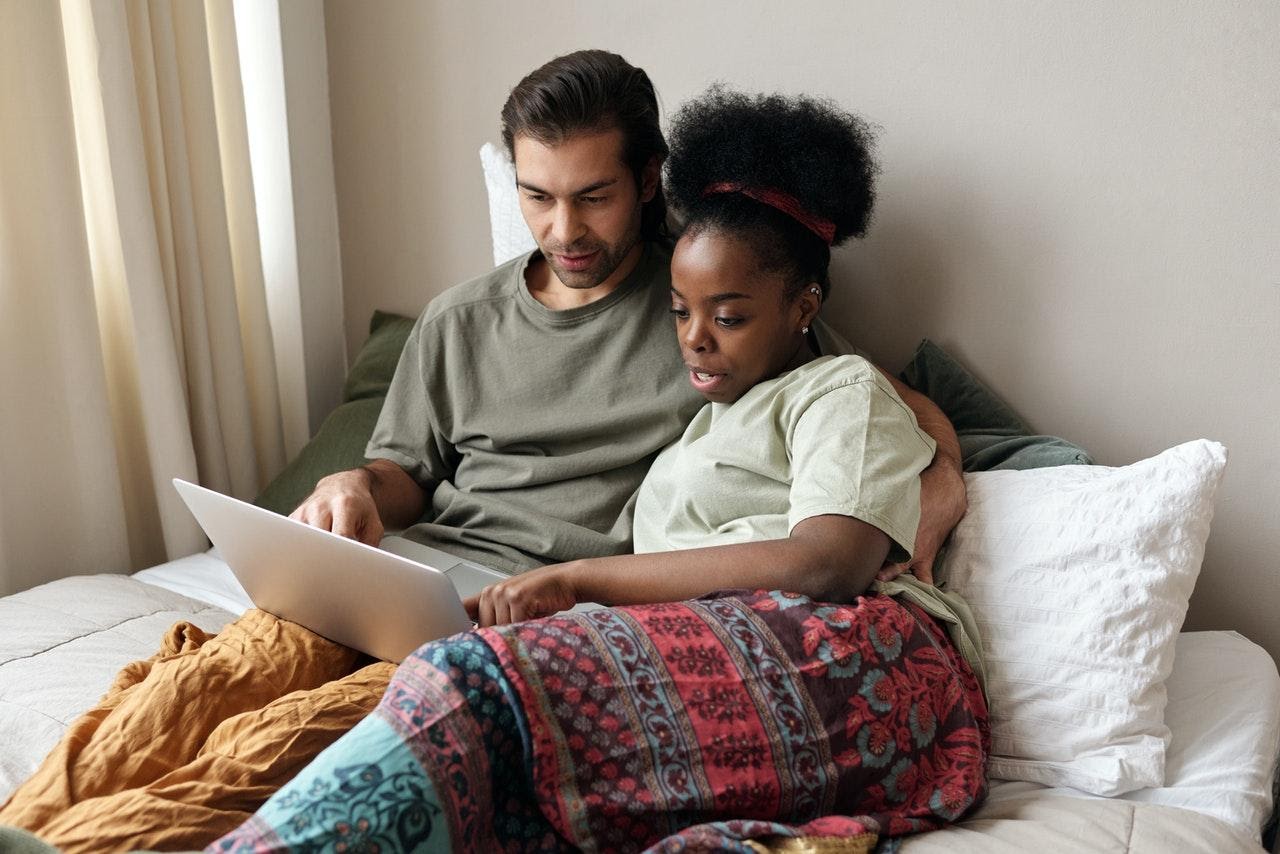
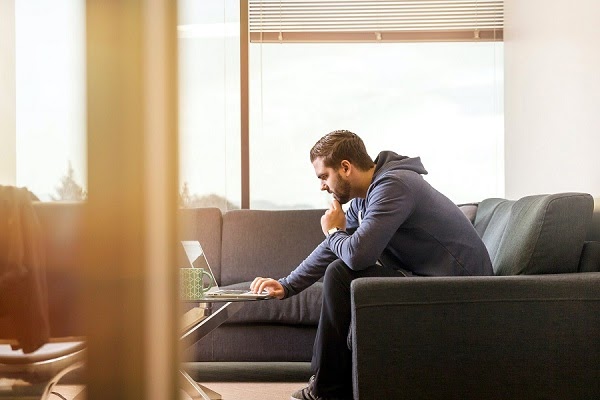
Only therapy has become so popular mostly because it’s convenient. If you have a busy schedule and you don’t have the time to drive to your therapist’s office, it’s much easier to attend online sessions from the comfort of your own home. However, online therapy has several other advantages.
It’s a good option for people living in remote areas
Maybe you have the time to go to a therapist, but there simply aren’t that many in your area. You’d have to drive for several hours every week, and you just can’t realistically keep that up for several months. As long as you have a reliable internet connection, online therapy gives you access to many more therapists.
Physical limitations
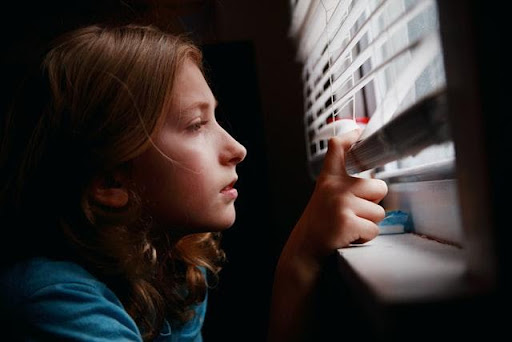
Mobility can be an issue when you’re trying to access mental health services. People who are unable to leave their home for various reasons such as a physical disability, old age or anxiety will be less inclined to begin therapy sessions even if they’d like to. With online therapy, these physical limitations will no longer be an obstacle in getting the help that they need.
Anonymity
Unfortunately, there is still some stigma surrounding mental health challenges that make people reluctant to see a therapist. With online therapy, they don’t have to worry about running into people they know while they’re entering or exiting their therapist’s office. This is especially useful for individuals with social anxiety.