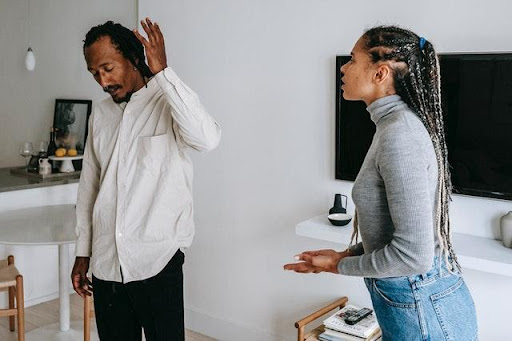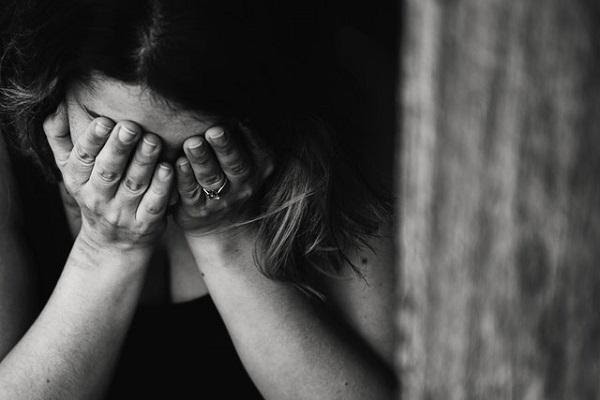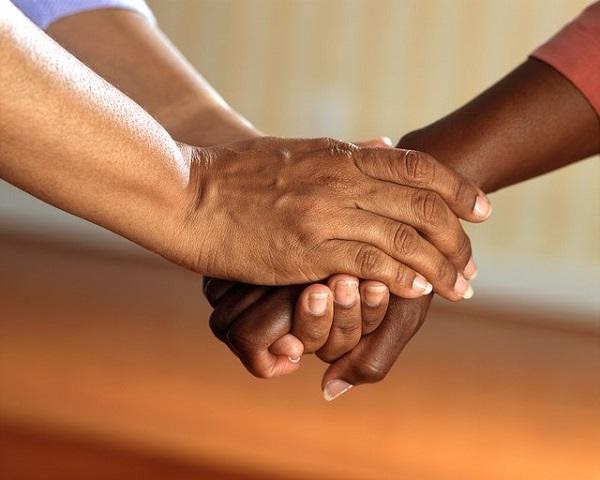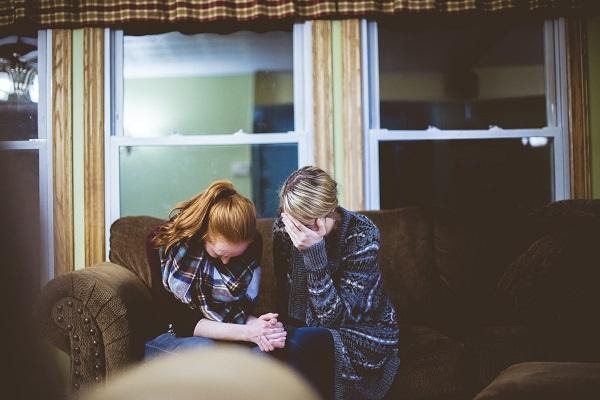

All couples experience conflict. For some, it’s conflicts about money. For others, it’s their intimate life or their kids. For some couples, conflict can simply be caused by daily stress build-up. And, while some spouses successfully overcome conflict, for others, tension, anger, and lack of proper communication only lead to deeper relationship issues.
It’s normal to have conflict in relationships. Even spouses can have different desires or needs. Thus, the key to a healthy relationship isn’t, by far, the absence of conflict or differences. It is handling conflict successfully.
Healthy couples address the existing conflict and work on it until they find a middle ground. Yet, others shut down and give each other the silent treatment, leaving their problem unsolved for a long time, or forever in most cases. Resolving disagreements in a healthy way, through open communication and mutual understanding brings couples together. In contrast, avoiding the problems only allows them to grow bigger and leads to frustration, and passive-aggressive behaviours, and hurts their closeness and intimacy.
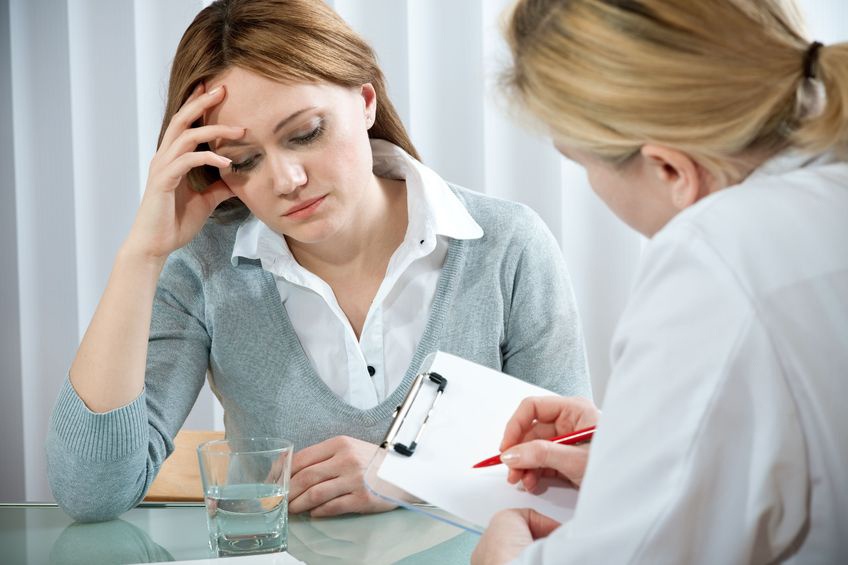
When it feels like you and your partner have grown apart and can’t overcome conflicts, marriage counselling can help.
Who needs marriage counselling?
Do all couples need to attend marriage counselling? Not necessarily. But even couples who are not in conflict can benefit from seeing a marriage counsellor. They can improve their communication skills, understand each other better, learn how to make a better team in their marriage, and increase parenting skills.
Yet, marriage counselling is particularly useful for those couples who are experiencing serious problems. Whether they aren’t communicating enough or inefficiently, or maybe they are feeling unhappy in their marriage, they are going through a big transition, or their intimacy is lacking or unfulfilling for both partners. Marriage therapy can help work out issues like those mentioned above, helping couples improve their relationships.
The most common reasons why married couples attend marriage counselling include:
- Growing apart
- Clashes about finances
- Unfaithfulness
- Constant conflict
- Going through a significant change
- Lack of or unfulfilling intimacy
- Thinking about divorcing
Some couples choose to stay in their unhappy marriages until conflicts become so bad that divorce seems to be the only choice. They don’t voice their unhappiness, hoping that problems will disappear on their own. But the one thing they never try, which can actually solve their issues, is marriage therapy. Due to social preconceptions related to who needs therapy, and fear about what others may think, these couples don’t even consider seeing a marriage counsellor.
How does marriage counselling work?
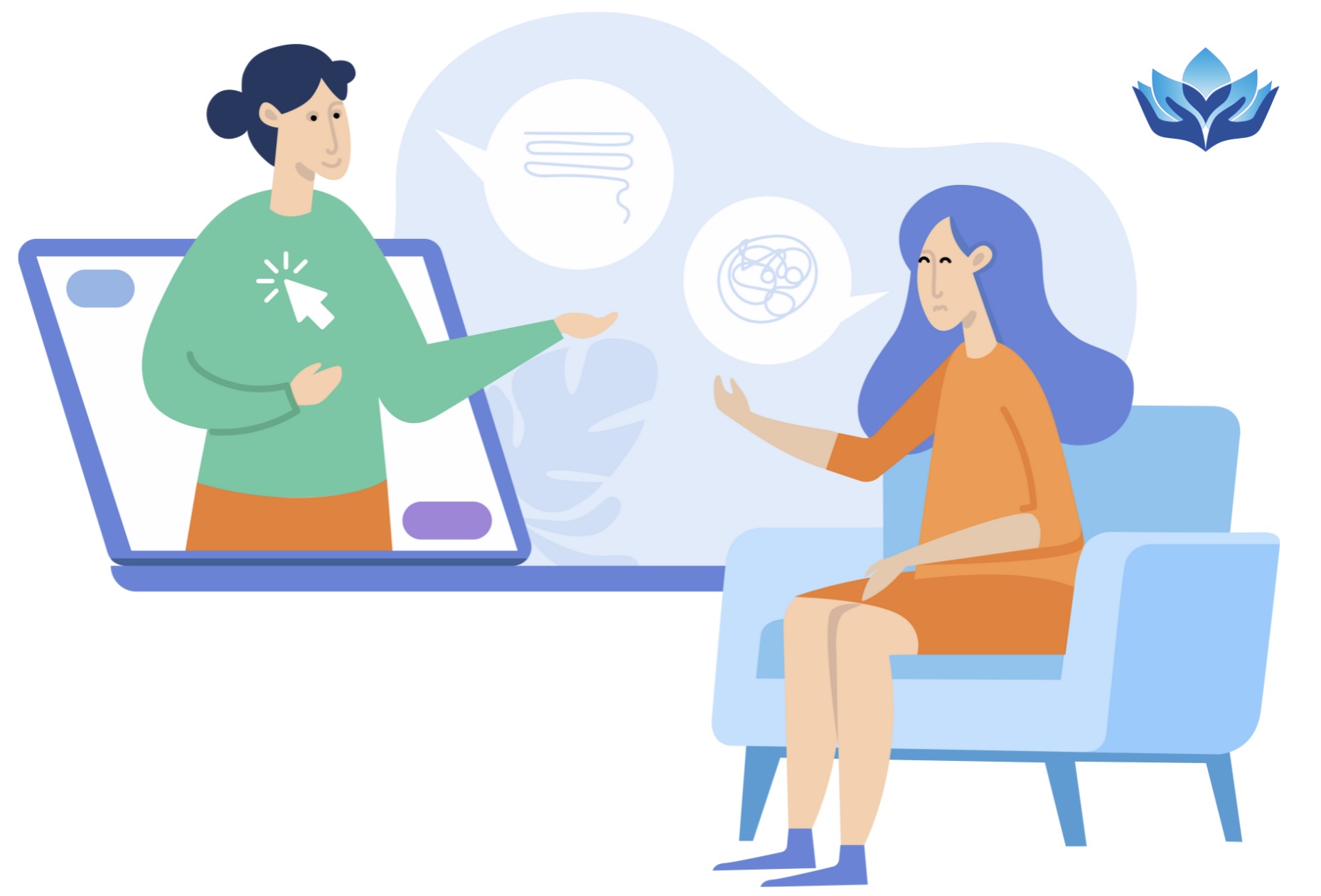
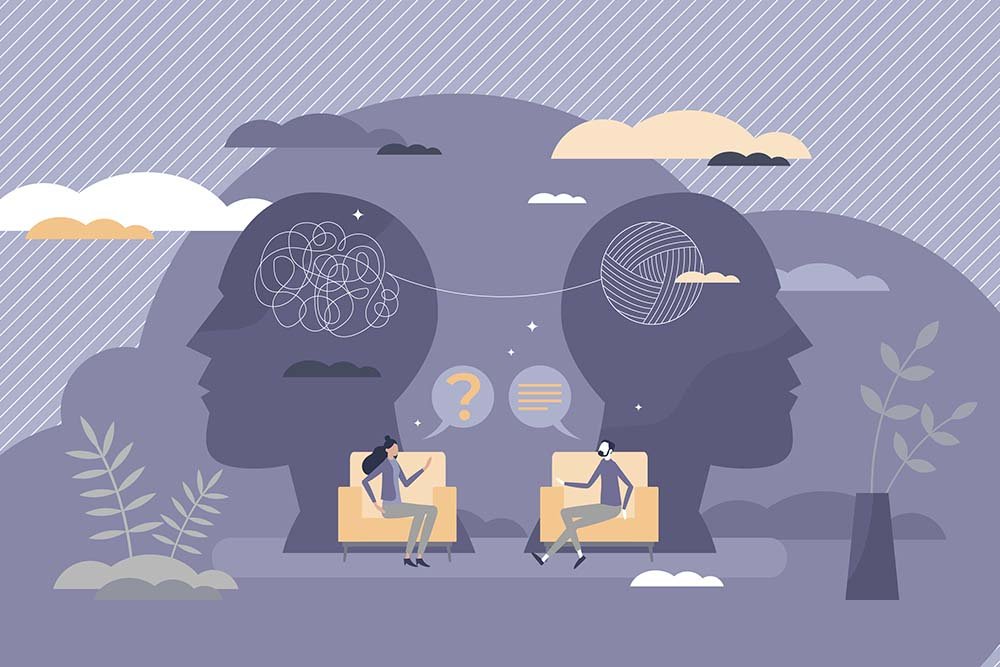
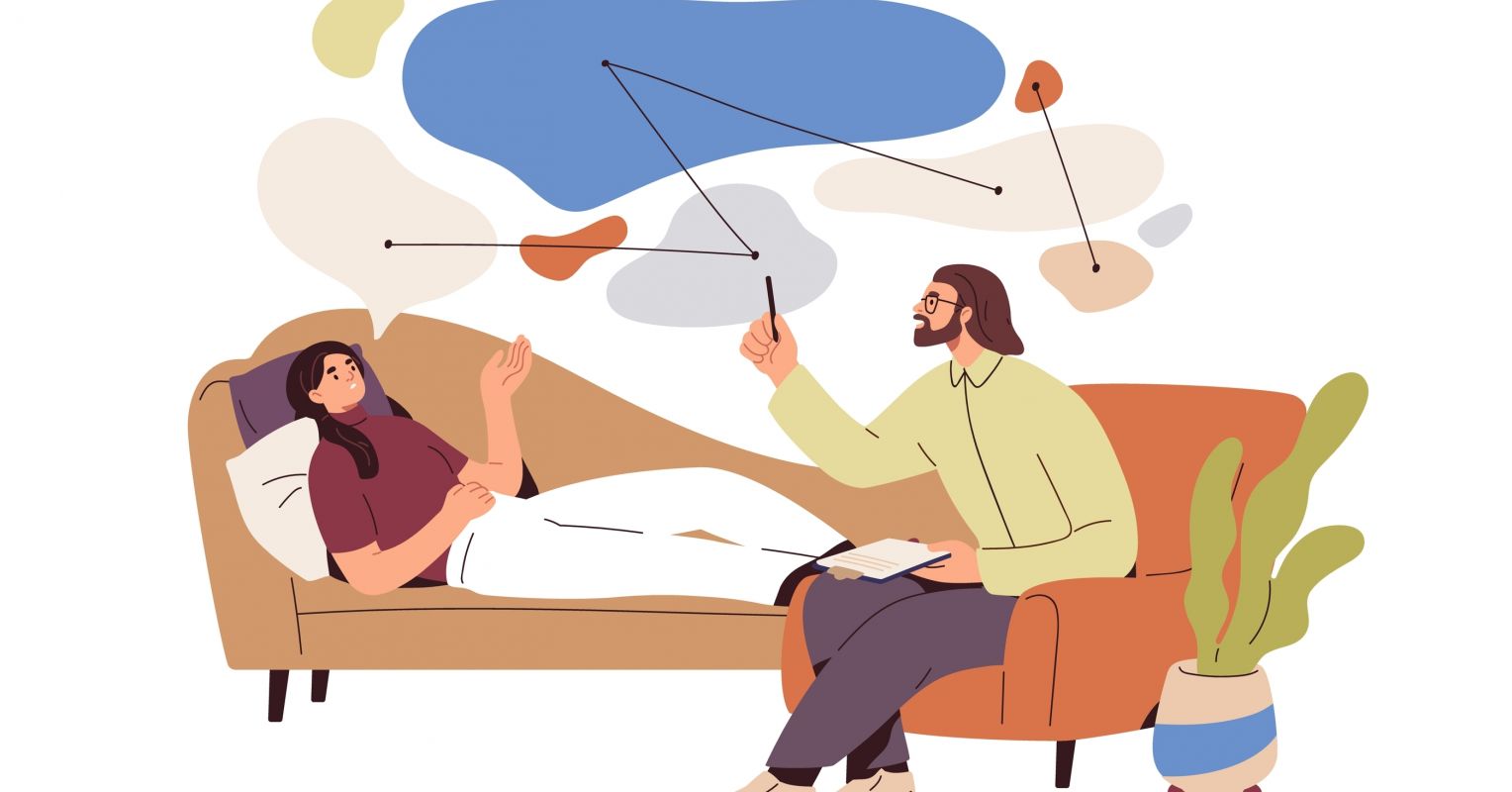
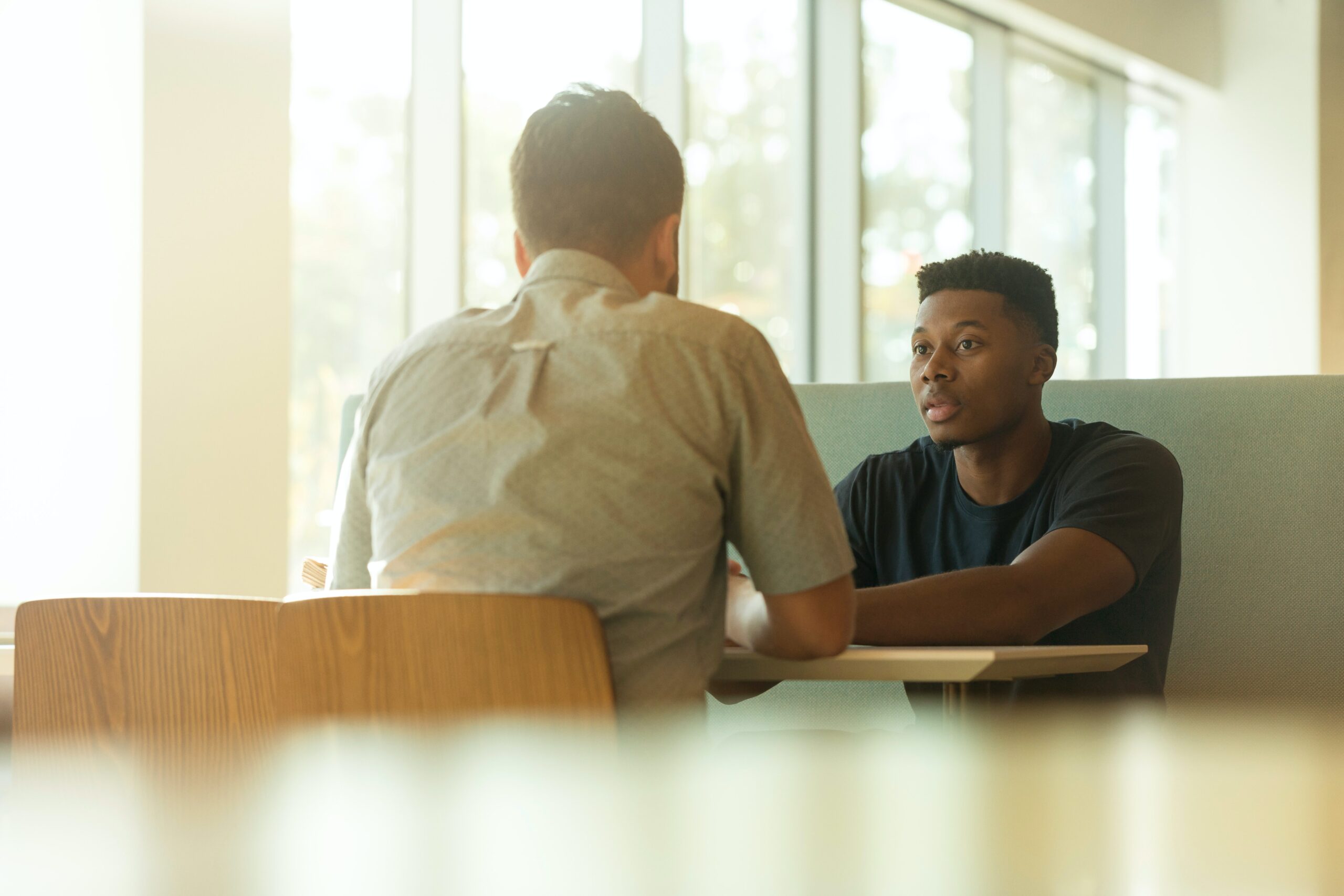
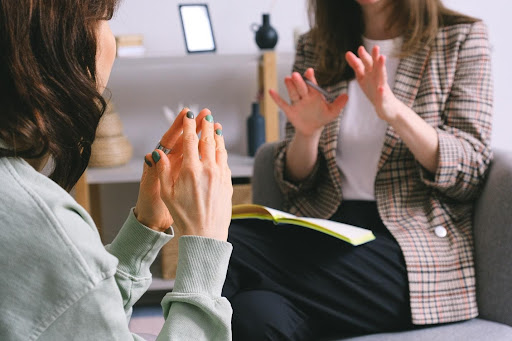
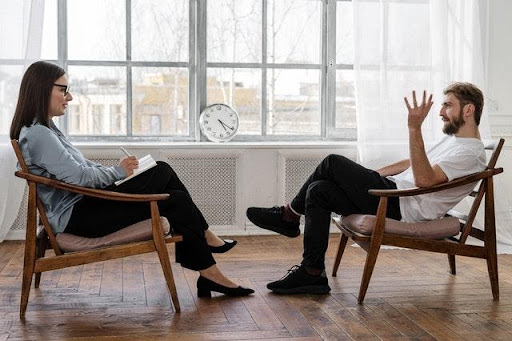
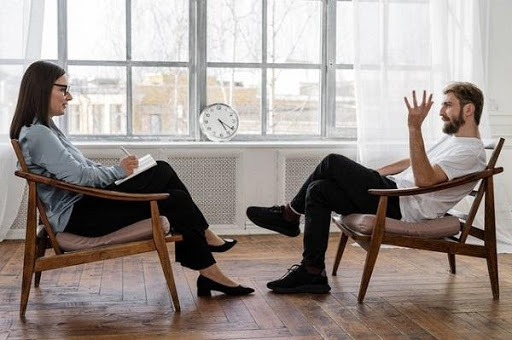
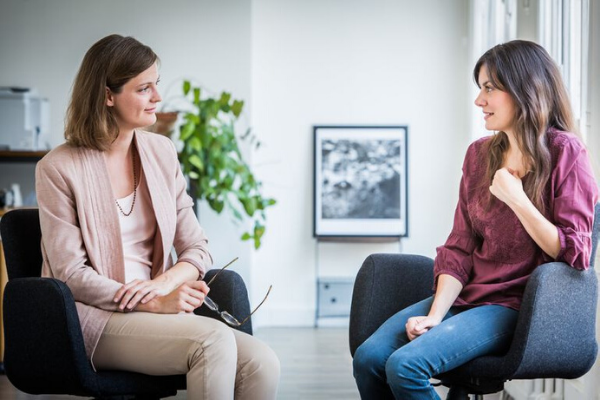
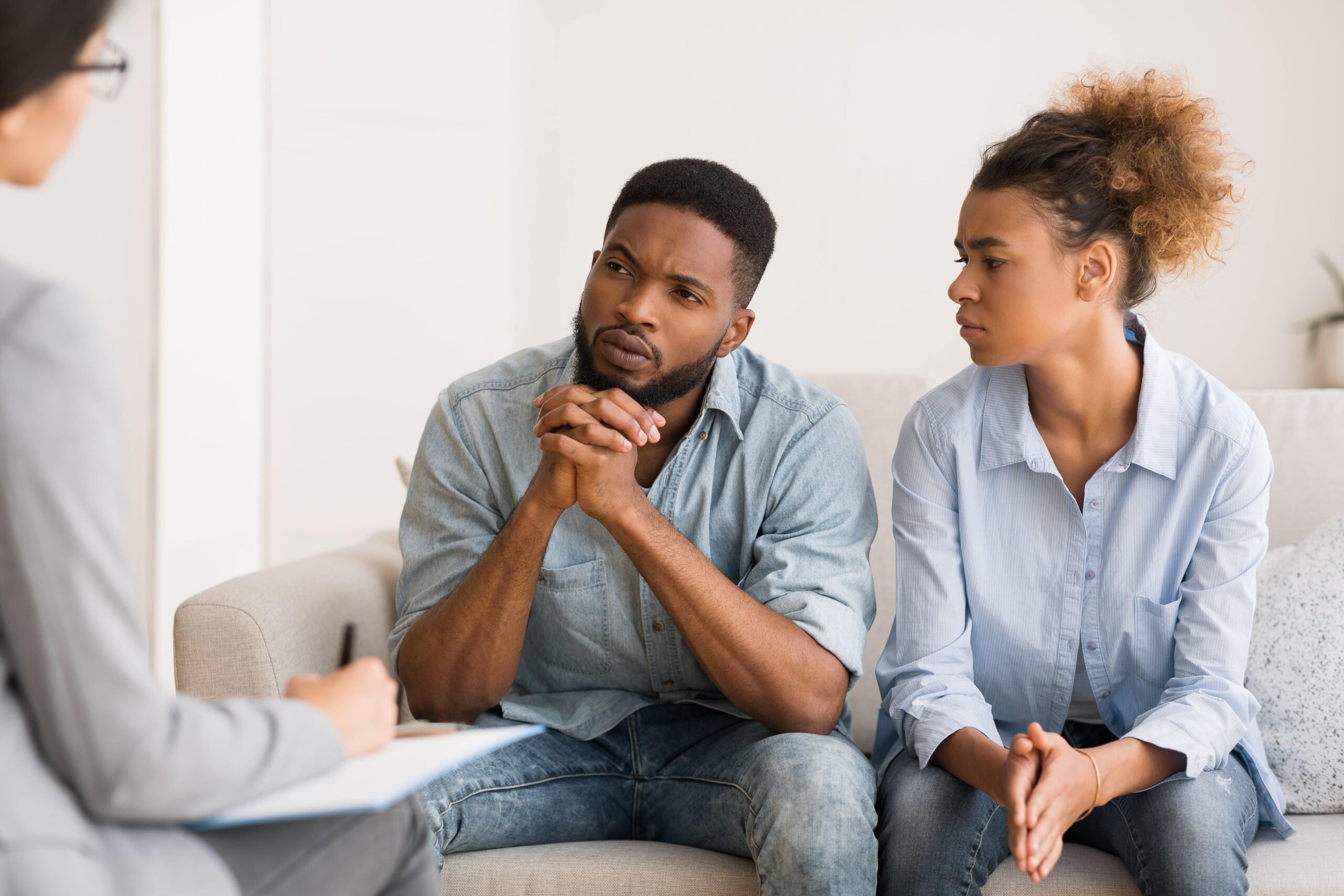
If there’s one thing that marriage counselling isn’t about, that’s finger-pointing and placing the blame on someone. Instead, marriage therapy provides couples with tools for communicating openly and asking for what each of the partners needs for their relationship to work.
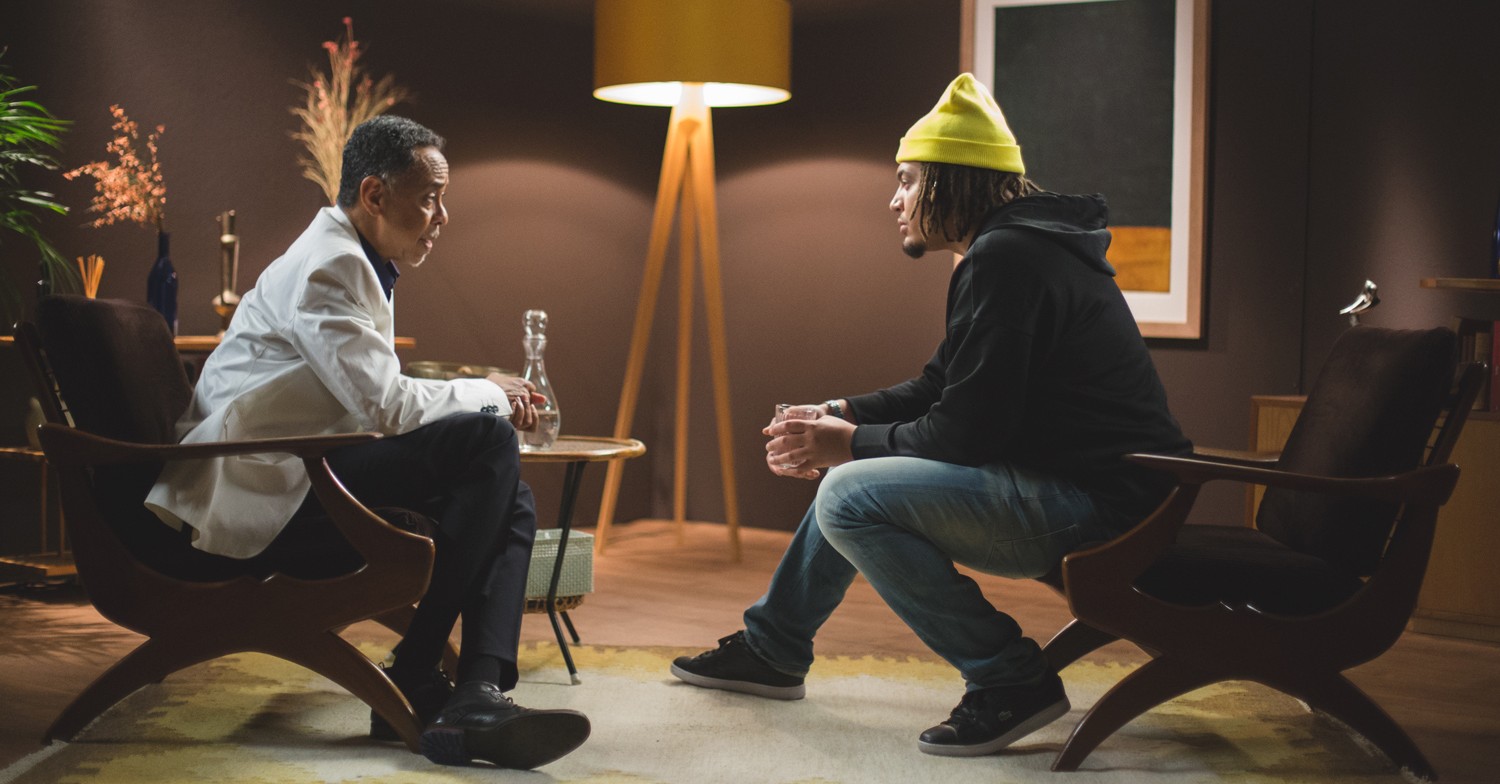
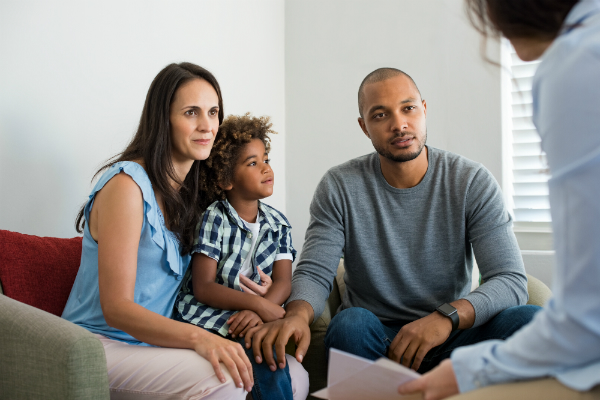
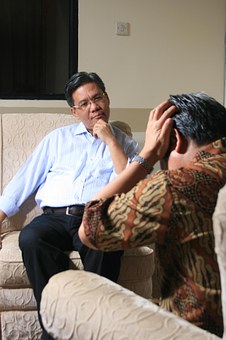
Marriage therapy gets spouses to discuss their existing problems and explore the possible solutions they have to repair their relationship and put an end to the conflict. The counsellor will steer the conversation to focus on helping the partners to efficiently talk about the tension between them or any hidden crack they might have in their relationship. The therapist will not take sides or turn the partners against each other. Instead, they will facilitate understanding between the spouses and help them explore and bridge their differences.
A marriage counsellor will also ask couples to do some homework, outside of their therapy sessions. Whether it is exercising effective communication, being nice to each other, or exercise healthy ways of dealing with conflict. It is important for couples to work for their relationship outside of the counsellor’s office as well to change old and negative patterns that have deteriorated their relationship in the first place.
The benefits of marriage counselling
Marriage counselling has plenty of benefits for those married couples who are struggling with making their relationship work and overcoming conflict. Therapy can teach partners to forgive, heal, and reconnect with each other. Here are a few benefits of marriage counselling:
– Develop a closer relationship
When couples grow apart, there’s a rupture happening in their relationship. Whether the rupture has been caused by constant arguments, money problems, or troubles with their intimacy, the partners no longer experience the closeness they used to share when they first got married. Therapy can change that.
Couples therapy may be the only thing they do together for a long time. It can be an opportunity to discuss and overcome marital problems, encouraging them to enjoy each other’s company and feel romantic again.
– Helps heal old wounds
Many couples feel stuck in their marriages because they, or their partners, can’t heal wounds they’ve caused each other. For example, maybe one partner has been unfaithful, and the other still feels hurt about this betrayal. The one who cheated will never feel forgiveness until their partner heals the wound caused by their infidelity.
Therapy can help heal these old wounds that cause conflict and make the marriage feel stuck.
– Helps partners listen to each other
Efficient communication is key to any healthy and happy relationship. Both partners in a relationship want to feel listened to and understood.
It’s really frustrating to feel like your spouse just isn’t listening to you. Whether they stonewall you or show no signs that they understand your thoughts and emotions, it’s easy to feel ignored by your loved one.
Through marriage counselling, couples can learn how to communicate and listen to each other so that both partners feel heard and understood.
– Learn how to resolve conflict
Conflict resolution is difficult to achieve in a relationship without communication and mutual understanding. When no one is listening to the other one speaking, no one understands the problem, making it impossible for couples to find solutions for their issues.
Marriage therapists can help couples develop healthy patterns in managing conflicts through open communication, collaboration, and emotional vulnerability of both partners.
– Set goals as a couple
Marriage is like a partnership in which both partners share the same desires and goals. But when this is not the case, conflict arises, leading to a rupture in the relationship. One or even both partners can wish for something they will never get because they fear discussing it with their spouse, or when they do open up about it, their partner shuts them down. Marriage counselling can help couples set common goals which help them work as a team towards achieving them.