







Online Counselling for Men

UK Therapy Guide offers a supportive space for men seeking counselling. Discover therapy services designed to understand and address the unique pressures men face in today's society.

At UK Therapy Guide, we provide professional counselling for men tailored to your specific needs and circumstances. With men accounting for only 36% of NHS therapy referrals despite making up 75% of UK suicide deaths , we understand that taking the first step towards therapy can feel challenging.

Our network of qualified male therapists and counselling professionals specialises in men's mental health, offering both online and in-person men's counselling services across the UK. Discover how our personalised approach to male counselling services can help you navigate life's challenges with confidence.

A diverse group of men in a supportive conversation, symbolizing breaking barriers to mental health.
Discover how our personalised approach to male counselling services can help you navigate life's challenges with confidence.

The Challenge Men Face

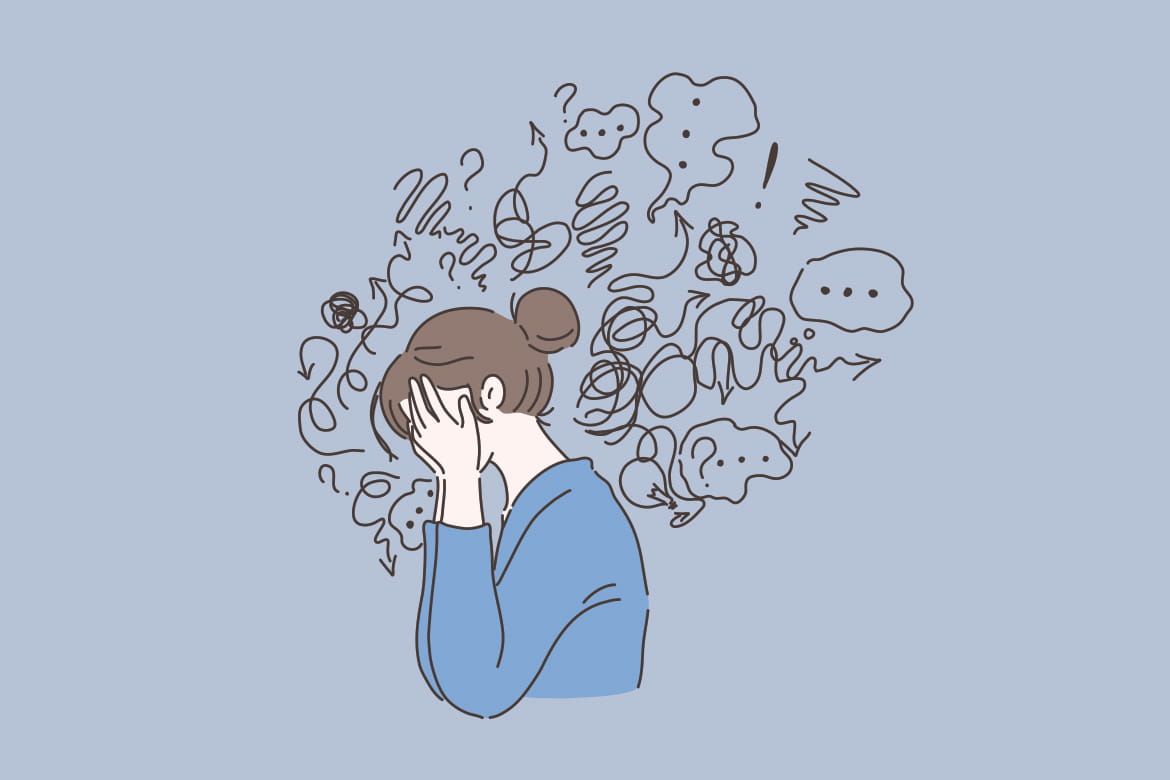
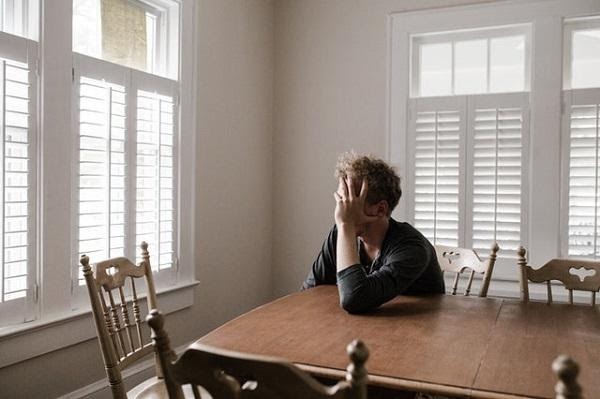
Men often face unique challenges in seeking mental health support. Despite high rates of stress, anxiety, and depression, societal pressures can make it difficult to reach out.

Many men struggle silently with stress, anxiety, or depression while feeling pressure to "handle it" alone. Traditional expectations around masculinity often make it harder to acknowledge when you're not feeling your best, with research showing only 17% of men would consider therapy for prolonged low mood compared to 22% of women.

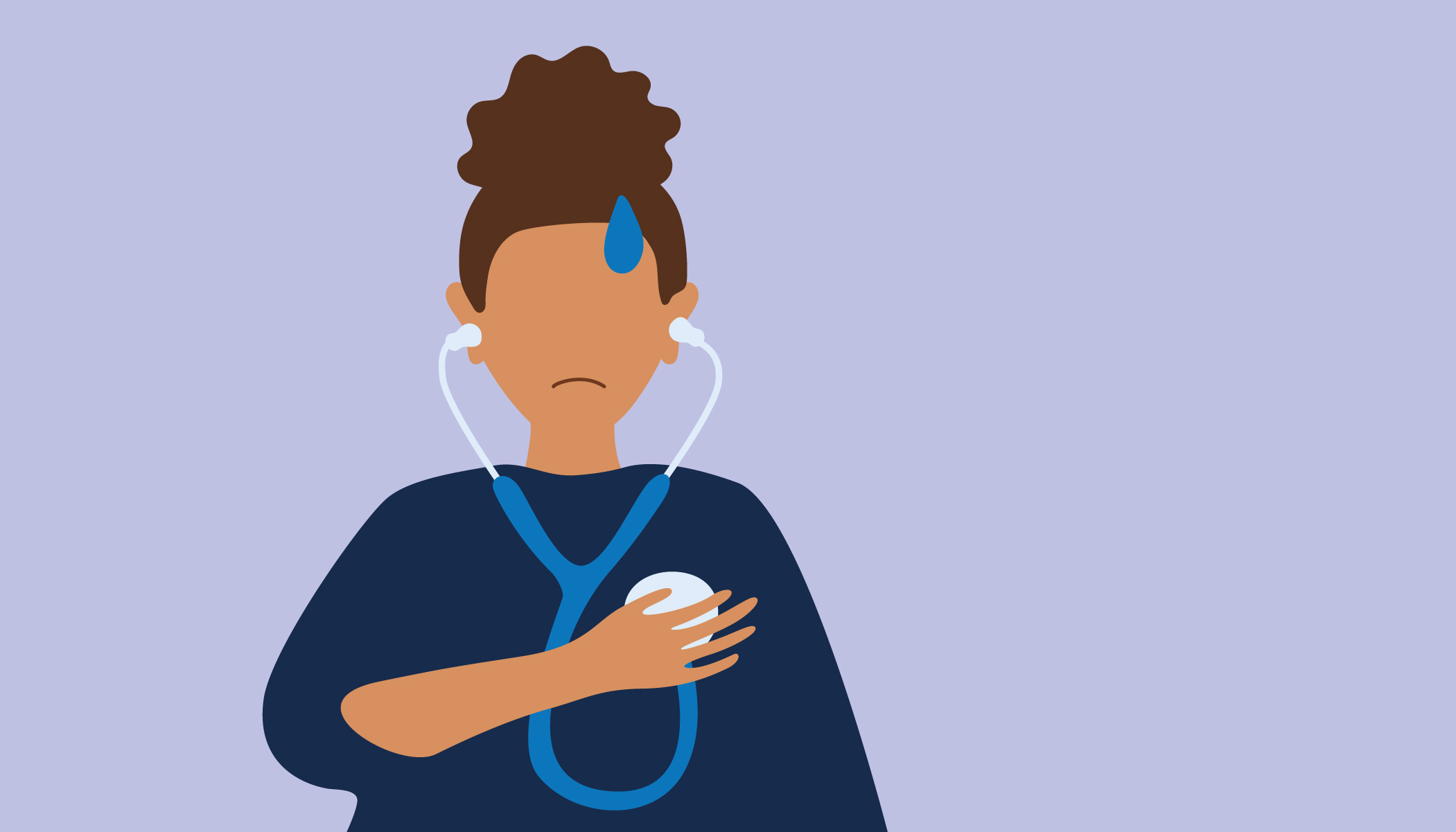
If you're feeling overwhelmed, disconnected, or simply not yourself—you're not alone, and reaching out shows real strength.

How Therapy Helps Men

Working with a therapist who understands men's experiences provides a confidential space to explore challenges and develop practical strategies for moving forward. Our approach to therapy for men emphasises action-oriented techniques that align with how many men prefer to communicate and process emotions.

Whether you're dealing with work pressure, relationship changes, anger management, or simply want to improve your mental wellbeing, counselling offers tools to help you thrive, not just survive.

Therapy tailored for men provides a safe, confidential space to talk openly, explore challenges, and build practical tools for navigating life.

Addressing Common Concerns

Common questions around therapy are valid—whether you're unsure it's for you, worried about emotional deep-dives, or want to know if it's effective.
"Is therapy really for someone like me?"

Therapy is for everyone who wants to improve their mental health—regardless of the severity of your challenges. Our male therapists work with men from all walks of life.

"Will I be expected to talk about feelings constantly?"

Not at all. Many of our therapists specialise in male-friendly approaches that focus on practical problem-solving and concrete strategies rather than abstract emotional discussions.

How do I know if it's working?

Online therapy demonstrates comparable effectiveness to in-person sessions, with a 56% positive response rate for moderate depression and anxiety. We'll help you track tangible progress.

Not Sure if Therapy is Right For You?

Curious about therapy but have questions? Our interactive quiz helps demystify therapy and clear up common misconceptions.

Our Quick Quiz Helps You:

  • Learn what therapy actually involves
  • Understand how it might help you
  • Discover what to expect from sessions
  • Get clarity on practical matters like costs

Why Choose UK Therapy Guide for Men's Counselling

  • Therapists who understand men's unique challenges: Our network includes experienced male therapists specially trained in men's mental health issues
  • Personalised matching service: Our LUFT call service provides free consultation to match you with the right therapist for your specific needs
  • Flexible session options: Choose online therapy for men from the comfort of your home, or in-person sessions if you prefer
  • Evidence-based approaches: Our therapists utilise proven techniques like CBT and psychodynamic therapy that have demonstrated effectiveness for men's mental health concerns.
  • Complete confidentiality: Private, secure sessions in a judgment-free environment
UK Therapy Guide offers expert support tailored specifically for men—from experienced male therapists and a free personalised matching service to flexible sessions and proven, confidential care. We're here to make finding the right help simple, effective, and completely judgment-free.

How it Works

Finding the right therapist shouldn't feel overwhelming. Our simple, personalised process ensures you're matched with the perfect counsellor for your needs.

Share Your Preferences

Complete our brief placement form to tell us about your needs, schedule preferences, and what you're looking for in a therapist.

Free Consultation Call

Have a friendly chat with our placement specialists who'll take the time to understand your situation and match you with the perfect therapist for your needs.

Begin Your Journey

Meet your carefully matched therapist and start working together through regular sessions to achieve your therapeutic goals.

Meet Our Online Counsellors in the UK

Finding the right therapist shouldn't be complicated. Our placement team personally knows every therapist in our network, ensuring we can match you with someone who truly understands your needs.

[uktg_therapists limit=3 layout="v3" gender="Male" show_booking_sidebar="false" show_navigation="false" typeOftherapyOffered="individual"]
"I had an absolutely brilliant experience with UK Therapy Guide when I was feeling overwhelmed. The support I received was exceptional - my therapist provided great service, truly listened to me, and was genuinely caring throughout. I would highly recommend UK Therapy Guide to anyone seeking professional support."
Michael, Manchester
Find Your Ideal Therapist

Understanding the Barriers to Men's Therapy

Barriers like stigma, societal expectations, and fear of vulnerability often prevent men from seeking support. At UK Therapy Guide, we understand these challenges and provide a safe, judgment-free space where men can open up, be heard, and start their journey toward better mental health.

Male Friendly Therapeutic Approaches

Our evidence-based therapies are designed with men in mind—practical, goal-oriented, and tailored to your preferences. Whether it’s CBT or deeper psychodynamic work, we focus on strategies that resonate with how many men prefer to process life’s challenges.

The Benefits of Online Counselling for Men

Online counselling offers flexibility, privacy, and convenience—perfect for men with busy schedules or those who prefer to speak from home. It’s a modern approach that makes mental health support more accessible and easier to fit into everyday life.

Online therapy has revolutionised mental health access, particularly for men with demanding schedules or those in remote areas. Many UK users cite flexibility as a key motivator for online therapy, as they are able to fit it into their busy and unpredictable timetables.

Our secure platform allows you to connect with therapists from the privacy of your home or office, making it easier to fit sessions into busy lives. This approach has proven particularly effective for men who might otherwise avoid traditional therapy settings.

Client testimonials and recovery stories from men who have been through counselling

If you're weighing up whether counselling for men is right for you, it can help to hear from others who have already taken that step. Many arrive feeling that reaching out cuts against everything they were taught about being self-reliant. That feeling is far more common than you might think — the pressure to stay self-sufficient, and the stigma that can come with speaking up, is one of the biggest reasons men hold back from asking for help [1]. So if part of you is hesitant, you're in good company, and that hesitation doesn't mean counselling isn't for you.

What these stories tend to share is a moment of relief: the quiet surprise of being met with understanding rather than judgement. For many men, it's simple uncertainty about what therapy actually involves — not any real opposition to it — that gets in the way at first [2], and once the unknown becomes familiar, the experience often feels far gentler than they'd feared. The reassurance isn't only anecdotal, either: when men do engage, their outcomes are broadly comparable to women's [3][4], and men's lower use of therapy reflects how likely they are to reach out, not how much they stand to gain from it [5].

A word of honesty, because you deserve it: the recovery stories that services publish are chosen by those services and understandably lean positive, so they're best read as encouragement rather than a promise of any particular outcome. Every man's journey is his own. What these stories do reliably point to is the value of a good fit — the strength of the bond you feel with your counsellor is one of the most consistent predictors of how well therapy goes [6], which is exactly why we personally interview every therapist we recommend, so your first conversation feels less like a leap into the unknown.

If things feel especially heavy right now, please don't wait for the right moment. You can talk to the Samaritans any time, day or night, on 116 123, and for urgent NHS mental-health support you can call 111 (or 999 in an emergency). This page is here to offer information and reassurance rather than to stand in for a qualified professional — and taking that first step, whenever you're ready, takes real courage.

A helpline / callback option for men who aren't ready to talk yet (e.g. request a call back)

Picking up the phone, or booking a first session, can feel like a huge step — and if you're not ready for that yet, that's completely understandable. Many men hold back from asking for support, often carrying things alone for far longer than they need to [5]. Usually that has less to do with any lack of need and more to do with the pressures men grow up with, a worry about being judged, and simply not knowing what to expect from therapy [2]. Wherever you are on that journey, there's no pressure to have the right words ready.

That's exactly why a free, no-obligation "request a call back" option can be such a gentle place to start. Instead of committing to anything, you simply leave your details and a real person — never an automated system — reaches out to you, at a time that suits you and on your terms. Many men find a phone call, or even a written message, feels less exposing than sitting face to face, at least to begin with [7], and a warm, unhurried first conversation can take a lot of the fear out of that very first step.

There's no script to follow and nothing you have to disclose. A good first conversation is simply about listening, answering your questions, and — if and when you feel ready — helping you feel connected to the right therapist for you, someone we've personally met and vetted. This kind of low-pressure, honest and practical approach is exactly what the evidence suggests helps men feel more comfortable opening up [8].

If things feel urgent right now, or you're finding it hard to cope, please don't wait for a call back. You can talk to Samaritans free, day or night, on 116 123, contact NHS 111 for urgent mental-health support, or call 999 in an emergency. Men in mid-life are a recognised higher-risk group when it comes to suicide [9], so reaching out early, in whatever way feels manageable, genuinely matters. Think of this page as information and reassurance offered alongside — not instead of — professional care, and know that taking that first small step, at your own pace, is something we're here to support you with.

How confidentiality and discretion work in men's counselling

For many men, one of the hardest parts of considering counselling isn't the talking itself — it's the worry about who might find out. If you grew up being told to handle things on your own, the thought of being seen as struggling can feel exposing, and this kind of self-stigma and fear of judgement is one of the most common reasons men hold back from seeking support [2] [1]. We understand that completely, and it's exactly why confidentiality and discretion sit at the very heart of good therapy.

When you're matched with one of our therapists, what you share stays between the two of you. Every therapist we connect you with is qualified and registered with a professional body such as the BACP, which means they work within a strict ethical framework that treats confidentiality as fundamental to the trust between you [10]. In plain terms: nothing you say is passed on to your family, friends, employer or GP without your clear agreement.

There are a small number of rare, clearly defined situations where a therapist may need to act — for example, if there were a serious risk to your safety or someone else's [10]. A good therapist will talk these through openly right at the start, so you always know where you stand and there are no surprises. Discretion also extends beyond the counselling room: your privacy is respected as a matter of everyday professional practice, so you can feel at ease from the very first conversation.

Knowing your privacy is protected can make that first step feel a little less daunting — and choosing to reach out takes real courage. If things feel overwhelming right now, please don't wait for an appointment: you can contact Samaritans free, day or night, on 116 123, call NHS 111 for urgent mental-health support, or dial 999 in an emergency. Whenever you feel ready, we're here to help you find the right therapist — carefully, and entirely at your own pace.

Frequently Asked Questions About Counselling for Men

What issues can men's counselling help with?

Men's counselling can address a wide range of concerns including stress, anxiety, depression, relationship issues, anger management, work-life balance, major life transitions, grief, trauma, and substance use concerns.

Our male therapists are experienced in helping clients navigate these challenges using approaches that respect your communication style and preferences. Many men find therapy particularly helpful during periods of significant change such as career transitions, becoming a father, relationship breakdown, or health challenges.

How is counselling for men different from general therapy?

While the core therapeutic principles remain the same, counselling for men often incorporates approaches that align with how many men prefer to communicate and process emotions. This might include more action-oriented strategies, problem-solving frameworks, and practical tools rather than purely emotion-focused discussions.

Our therapists understand the unique societal pressures men face and create a space that acknowledges these realities without judgment.

Do I need to see a male therapist as a man?

Not necessarily. The most important factor is finding a therapist you feel comfortable with, regardless of their gender. That said, some men prefer working with male therapists who may have shared certain life experiences.

UK Therapy Guide offers both male therapists and female therapists who specialise in men's issues, allowing you to choose based on your personal preference. Our matching service can help you find the right fit for your male counselling services.

Is online therapy effective for men's counselling?

Yes, research shows online therapy is equally effective as traditional in-person therapy for many mental health concerns. For men specifically, online sessions offer additional benefits like greater privacy, no commute time, and the comfort of your own environment—factors that help many men feel more at ease.

What if I'm not comfortable talking about my feelings?

This is a common concern for many men seeking therapy. Our therapists understand this and won't force you to discuss emotions in ways that feel uncomfortable.

Many effective therapeutic approaches focus on thoughts and behaviours rather than requiring deep emotional expression. Your therapist will work at your pace and use approaches that feel right for you, which might include activities, practical exercises, or goal-focused strategies rather than abstract emotional discussions.

How much does counselling for men cost in the UK?

Therapy costs vary depending on the therapist's experience, location, and session format. With UK Therapy Guide, private therapy typically ranges from £50-£80 per session, with many therapists offering concessions or sliding scale fees based on financial circumstances.

While NHS services offer free therapy, waiting lists can be long, with average waits of six months for specialised care. We're transparent about fees before your first session, and many find that the investment in their wellbeing pays dividends in other areas of life.

How long will I need to attend therapy?

The duration of therapy varies based on your specific needs and goals. Some men benefit from short-term counselling (6-12 sessions) focused on specific issues, while others prefer longer-term support for complex or ongoing challenges.

Your therapist will discuss timeframes during your initial sessions and regularly review progress. Many of our clients report significant improvements within the first few sessions, particularly when addressing specific challenges with approaches like CBT.

What happens in a first therapy session for men?

Your first session is primarily about getting to know each other and establishing your goals for therapy. The therapist will ask questions about what brings you to counselling, your background, and what you hope to achieve.

You'll have the opportunity to ask questions about their approach and experience. There's no pressure to share more than you're comfortable with initially. The session helps determine if you and the therapist are a good match, and you can begin outlining a plan for working together if you decide to continue.

How do I know if I need counselling?

Consider seeking counselling if you're experiencing persistent feelings of stress, low mood, anxiety, anger issues, or if you're struggling with relationships or work. Other indicators include changes in sleep or appetite, withdrawing from activities you usually enjoy, increased substance use, or difficulty coping with daily tasks.

You don't need to be in crisis to benefit from therapy—many men use counselling proactively to develop better coping strategies or during times of transition. If you're questioning whether therapy might help, a consultation call with our matching team can help clarify if it's right for you.

What if I don't connect with my therapist?

Finding the right therapeutic relationship is crucial for effective counselling. If you don't feel a connection with your initial therapist, UK Therapy Guide makes it easy to try someone else.

After your first session, you can provide feedback to our matching team who will help connect you with an alternative therapist better suited to your needs and preferences. Most clients find a good fit within 1-2 attempts, and we're committed to supporting this process until you find the right match.