

Borderline Personality Disorder (BPD) is a mental health condition manifesting as intense emotional outbursts that affect relationships, moods, and behaviours. People with Borderline Personality Disorder may experience episodes of anxiety, anger, or depression that can last for days and affect their well-being. In its typical presentation, BPD is one of the most common mental health disorders, and it is estimated that, in the UK, around seven in every 1,000 people have it.
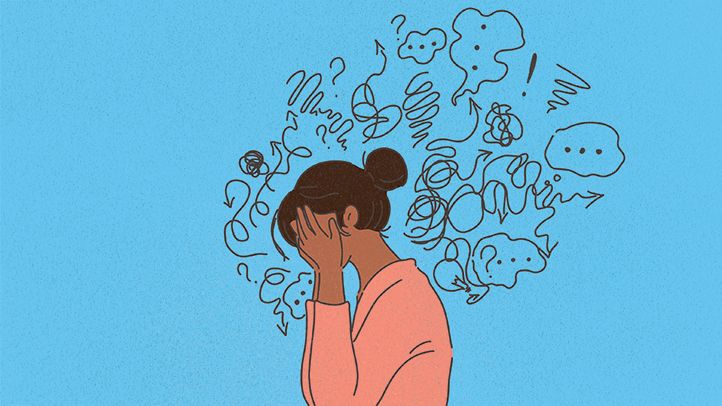
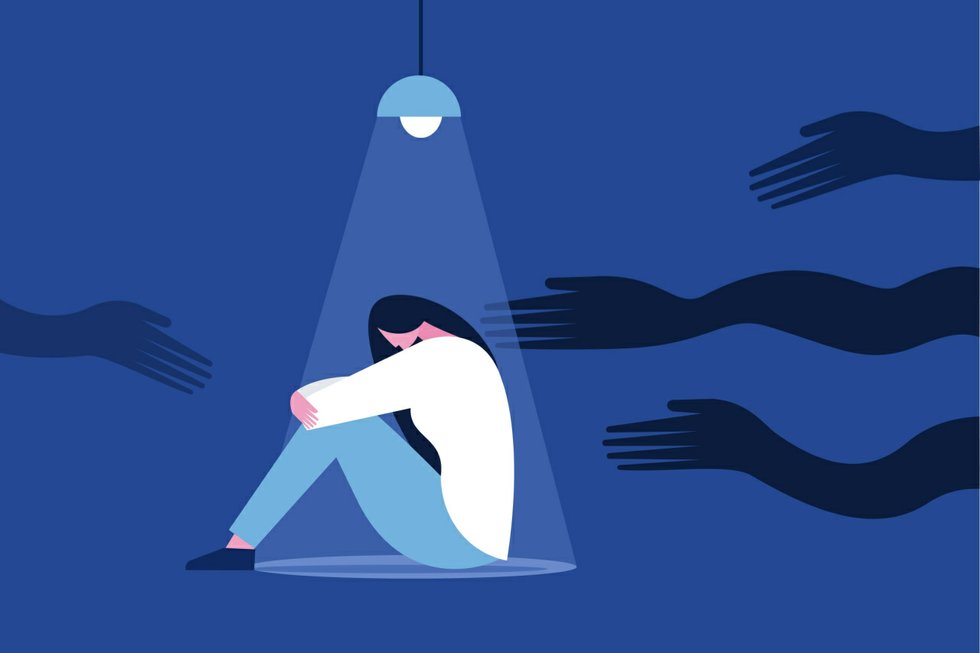
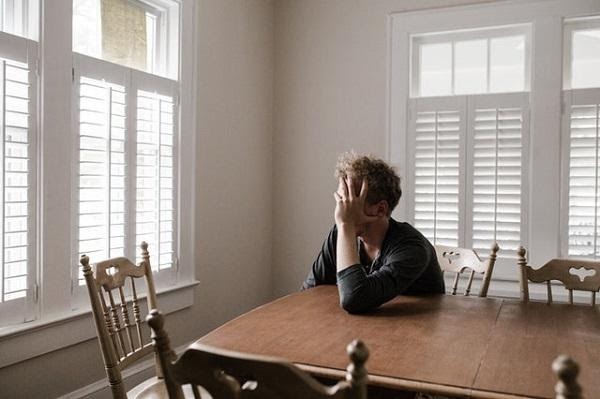
However, BPD also has a less common subtype that often goes undiagnosed, and that can be more difficult to live with quiet BPD. If, in the case of regular BPD, emotional outbursts are externalised and directed towards other people, with quiet BPD, these outbursts remain hidden. A person with quiet BPD “acts in” rather than “act out”, and, even though this might not be so obvious to others, they experience deep internal turmoil.
What is Quiet Borderline Personality Disorder (BPD)?
Due to the way it manifests, quiet BPD is also referred to as “high-functioning BPD”. From the outside, people with quiet BPD may seem in control, but the term “high-functioning” can be misleading because this condition can be just as harmful as classic BPD. Quiet BPD is more difficult to diagnose and, quite often, it can be misdiagnosed as social anxiety, depression, or autism spectrum disorder because of the symptom overlap.
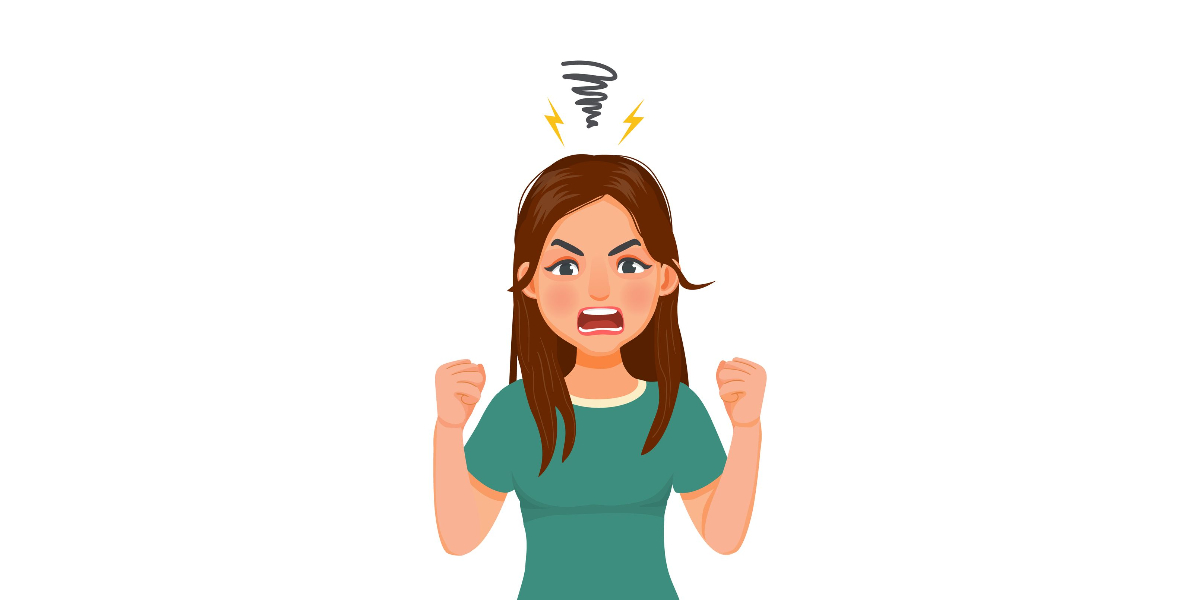
The main difference between classic BPD and quiet BPD is that a person with classic BPD externalises their emotions through explosive outbursts, whereas one with quiet BPD directs those outbursts inwards, hiding their suffering.
What causes quiet BPD?
Although it’s a rare subtype of Borderline Personality Disorder, quiet BPD can be caused by the same factors as classic BPD, including:
- Genetic susceptibility
- Physical or emotional abuse during childhood
- Pre-existing mental health disorders, such as anxiety disorder, depression, or bipolar disorder
- Being exposed to unstable relationships growing up
How do you recognise quiet BPD? What are the signs?
Internalised anger is the main symptom of quiet BPD, causing you to turn against yourself and become overly self-critical. Other signs of quiet BPD include:
- You have bad mood swings, but you hide them from the people around you. Instead of externalising your anxiety or anger, you suffer in silence, isolating yourself. Quite often, you don’t know what triggers are behind your mood swings.
- You try to please others as much as possible and mould your personality so that people like you more. This tendency is similar to the fawn response that usually develops as a result of childhood trauma and abuse.
- When you go through negative experiences, you tend to blame yourself, not others. You may also feel ashamed, guilty, or unworthy of happiness and affection.
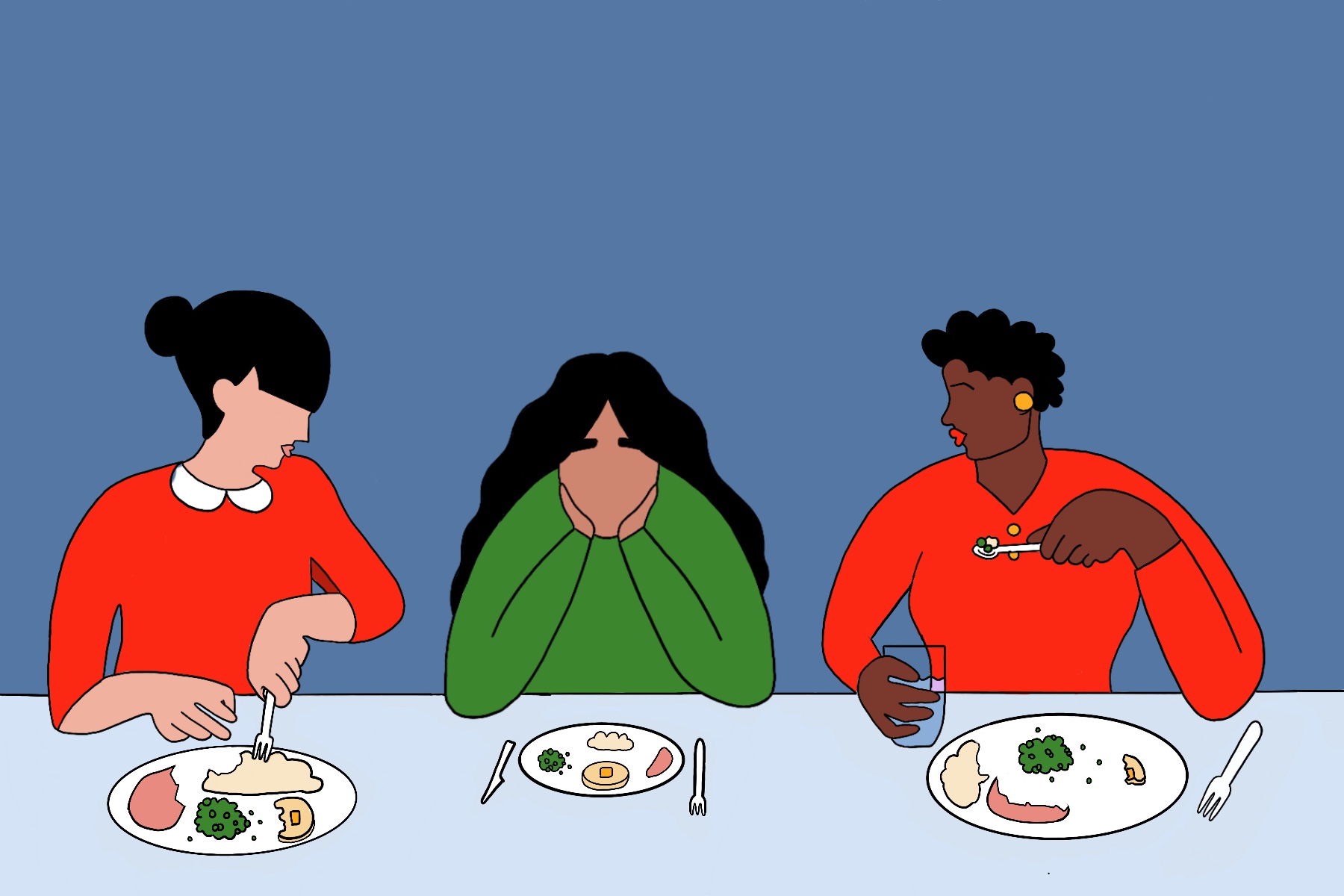
- You long for emotional connections, but you’re afraid of letting others get too close for fear that they will eventually abandon you. People with quiet BPD often put up walls, pushing people away, hoping that this way they will avoid future pain. Because of this, you find it hard to cultivate long-lasting, meaningful connections.
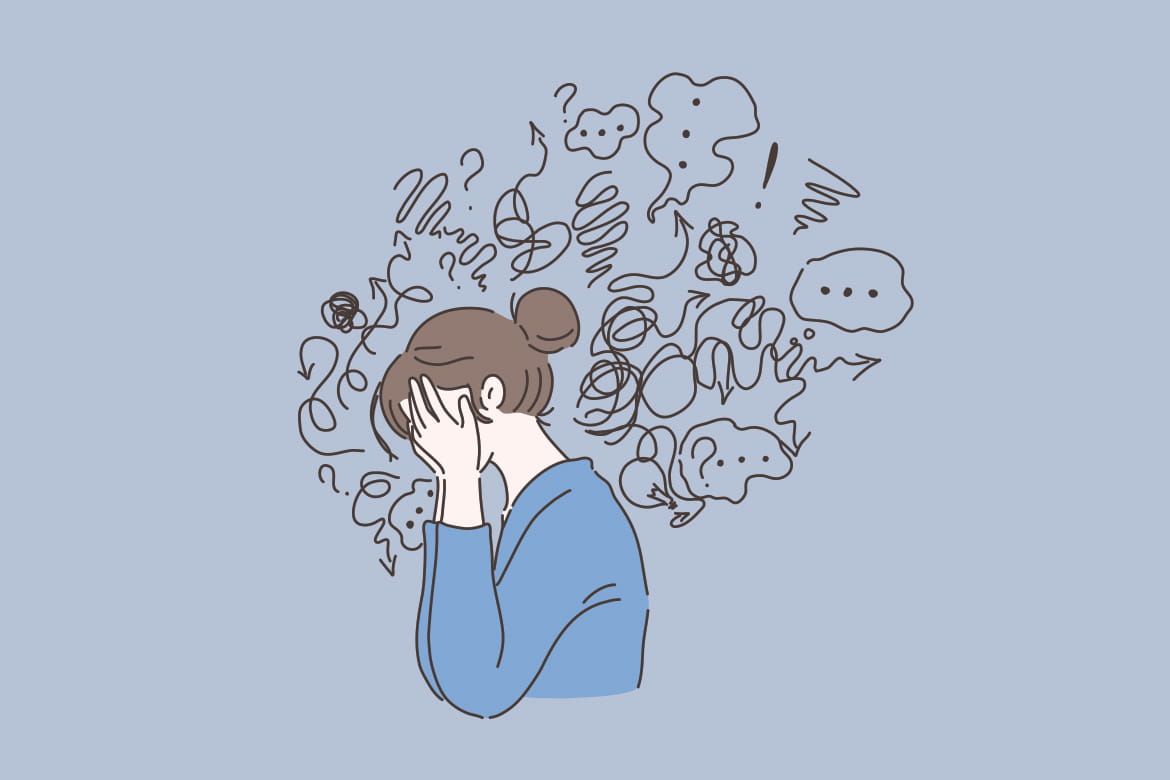
- You suppress your emotions and find it hard to explain how you feel (this is also known as alexithymia). This tendency often stems from childhood trauma, when hiding your feelings was a survival mechanism.
- When you’re going through a stressful period or a negative experience, you disassociate yourself from your emotions, feeling as if everything is happening in a dream and you’re watching someone else’s life unfold.
- You have low self-esteem and believe that you are a burden to others.
- You find it hard to manage interpersonal conflicts. When you have a disagreement with someone, you take extreme actions (i.e., cut all contact with them) instead of trying to work through what happened.
- You have a black or white perception of people, and you can suddenly go from idealising someone to cutting them out of your life, without giving them an explanation.
People with quiet BPD can experience all of these symptoms or just a few, but one thing they have in common is that they are high-functional. If you have quiet BPD, you may appear calm and controlled when you are with others, but you are hurting on the inside, and you fall into an angry, anxious, or depressive state when alone.
Managing quiet BPD
Because it’s quite rare and often misunderstood, quiet BPD can make people suffer in silence for years without knowing the cause behind their inner turmoil. However, living with quiet BPD can be highly destructive and harmful for your mental health. This disorder can lead to many complications and affect your life in the long run.
The longer you live with it, the harder it becomes to sustain a calm and collected appearance in society, which can lead to unhealthy coping mechanisms such as alcohol abuse, gambling, and other dangerous behaviours. You may have trouble expressing yourself in relationships, which prevents you from building genuine connections. Whilst hurting yourself, you may also hurt others by ending relationships abruptly and pushing people away.
At the same time, quiet BPD can also put you at risk of other mental health disorders, such as depression, generalised anxiety, bipolar disorders, eating disorders, and substance abuse.
It’s quite common for people with quiet BPD to downplay their symptoms because, on the surface, they lead seemingly normal, perhaps even successful lives. However, quiet BPD is an issue that needs to be addressed, and with so many effective therapeutic approaches available, you shouldn’t hesitate to seek help.
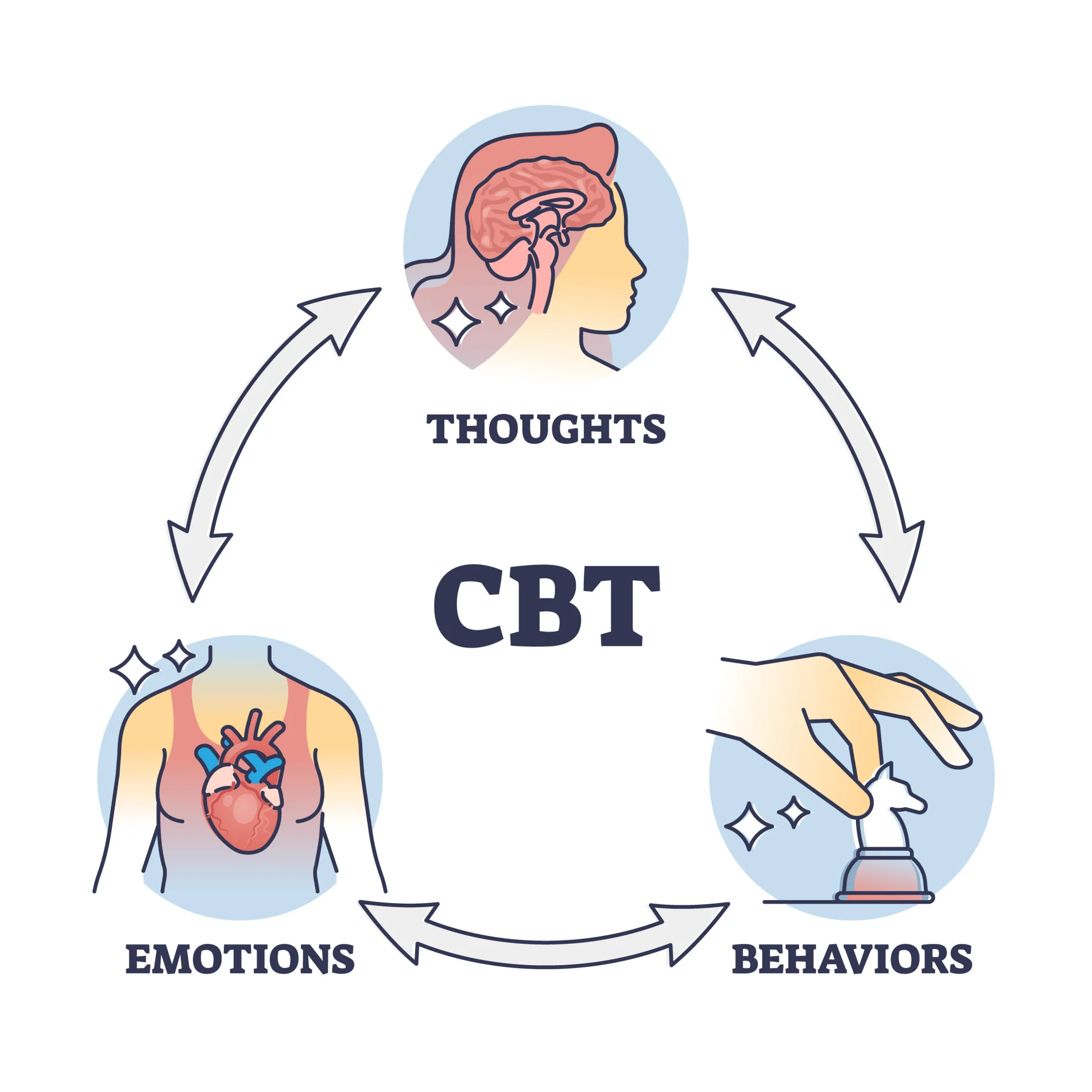
Some of the most common treatments for quiet BPD include Cognitive Behavioural Therapy (CBT), Dialectical Behaviour Therapy (DBT), and Schema Therapy. Your therapist will also suggest healthy coping techniques and self-soothing strategies so that you can overcome negative emotions.