














Online Couples Therapy & Marriage Counselling

Enhance your relationship through couples therapy and marriage counselling. Expert online therapists provide the guidance you need for a healthier partnership.

With over a decade of experience connecting couples with qualified therapists, we understand that relationships face unique challenges that benefit from professional support. Whether you're seeking marriage guidance counselling, online couples therapy, or help from a dedicated marriage therapist, our platform offers the expertise you need. Research shows that the average person receiving couples therapy is better off at termination than 70–80% of individuals not receiving treatment. Take the first step towards a healthier partnership with our trusted UK-based couples therapists and marriage counsellors.

Building a healthier partnership starts with professional guidance tailored to your relationship needs through online couples therapy.

When Relationships Feel Disconnected

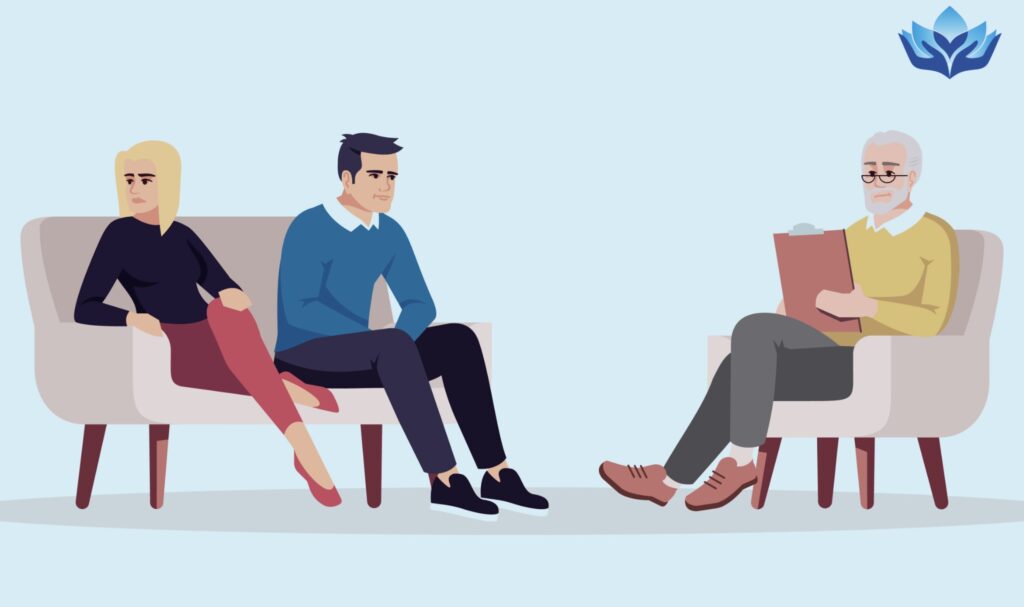
Couples therapy provides a structured environment where both partners can freely express themselves, leading to reconnection and stronger emotional bonds.

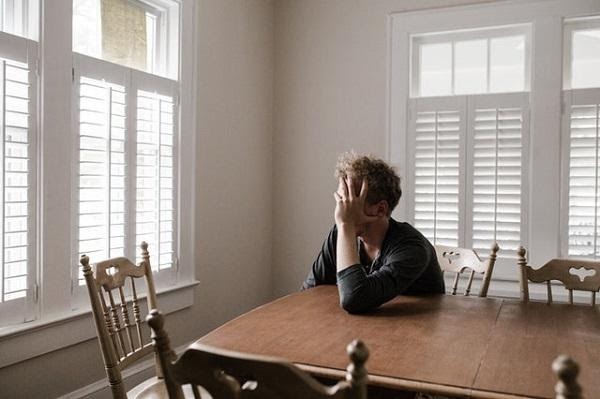
Every relationship experiences difficult periods—communication breakdowns, trust issues, intimacy challenges, or simply feeling like you and your partner are growing apart. Studies reveal that relationship problems can leave you feeling isolated even when you're together, creating a sense of hopelessness about your shared future. Many UK couples silently endure these difficulties, unsure if their concerns warrant professional support.

Couples therapy and marriage counselling provide a structured, supportive environment where both partners can express themselves freely with expert guidance. A qualified couples therapist helps identify destructive patterns, rebuild trust, and develop practical communication skills to enhance connection. Using evidence-based approaches like Emotionally Focused Therapy and the Gottman Method, our marriage therapists help you break cycles of disconnection and create more secure emotional bonds.

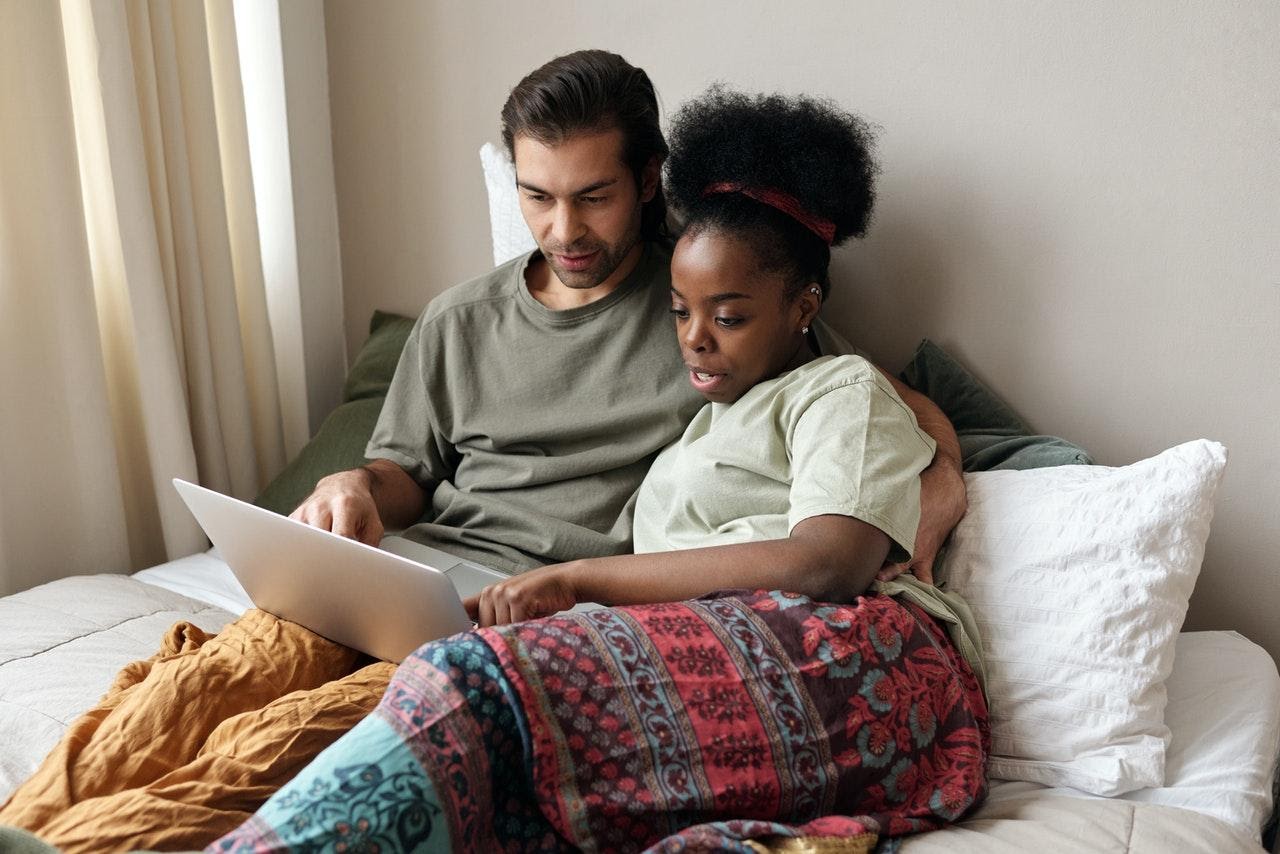
Online couples therapy offers the same benefits as in-person sessions with added flexibility—allowing you to engage from the comfort of your home, coordinate around busy schedules, or participate even when partners are temporarily in different locations. Marriage counselling online removes many traditional barriers to getting help, making it easier to commit to the process.

Common Concerns about Couples Therapy

"Is our problem serious enough for couples therapy?"

If relationship issues are causing persistent distress or affecting your daily life together, professional support can help. Early intervention is actually a key predictor of success in couples counselling.

"Doesn't going to therapy mean our relationship is failing?"

Quite the opposite—seeking couples counselling demonstrates commitment to growth and improvement. Many couples use therapy proactively to strengthen already good relationships and develop stronger communication skills.

"What if my partner isn't fully willing to participate?"

Our couples therapists are experienced in working with partnerships where one person is more hesitant. The therapeutic process often helps build motivation and engagement over time.

Addressing common concerns helps in overcoming barriers to starting couples therapy, reinforcing a commitment to growth and improvement in relationships.

Not Sure if Therapy is Right For You?

Curious about therapy but have questions? Our interactive quiz helps demystify therapy and clear up common misconceptions.

Our Quick Quiz Helps You:

  • Learn what therapy actually involves
  • Understand how it might help you
  • Discover what to expect from sessions
  • Get clarity on practical matters like costs

Why Choose UK Therapy Guide

UK Therapy Guide offers access to highly qualified couples therapists with an understanding of British cultural contexts, ensuring effective marriage counselling.
  • Personally vetted, highly qualified couples therapists with specific training in relationship dynamics
  • Free Placement Call for personalised therapist matching based on your specific relationship needs
  • Flexible online couples therapy sessions that accommodate both partners' schedules
  • Secure, confidential platform ensuring your relationship discussions remain private
  • UK-based service understanding British cultural contexts and relationship norms
  • Verified success: 94% of couples consider therapy a worthwhile investment

How it Works

Finding the right couples therapist shouldn't feel overwhelming. Our simple, personalised process ensures you're matched with the perfect counsellor for your needs.

Share Your Preferences

Complete our brief placement form to tell us about your needs, schedule preferences, and what you're looking for in a therapist.

Free Consultation Call

Have a friendly chat with our placement specialists who'll take the time to understand your situation and match you with the perfect therapist for your needs.

Begin Your Journey

Meet your carefully matched therapist and start working together through regular sessions to achieve your therapeutic goals.

Meet Our Couples Therapists in the UK

Finding the right couples therapist shouldn't be complicated. Our placement team personally knows every therapist in our network, ensuring we can match you with someone who truly understands your needs.

[uktg_therapists limit=3 layout="v3" gender="Any" show_booking_sidebar="false" show_navigation="false" typeOftherapyOffered="couple"]
"I was skeptical about online therapy, but from the first session, it felt natural and personal. My therapist helped me manage my anxiety, and now I have practical tools for daily stress. The flexibility to fit sessions around my work schedule was invaluable."
Sarah, London
Find Your Ideal Couples Therapist

Understanding Couples Therapy and Marriage Counselling

Couples therapy offers effective pathways to healing and growth, providing a structured and supportive environment for addressing specific relationship concerns.
Couples therapy and marriage counselling offer proven pathways to relationship healing and growth. On average, about 60–75% of couples experience positive, measurable improvement in relationship quality after participating in therapy. At UK Therapy Guide, we connect you with experienced couples therapists who employ evidence-based techniques to address your specific concerns. Whether you're navigating communication challenges, recovering from infidelity, or wanting to deepen your connection, our marriage counselling services provide the structure and support needed for lasting change.

What to Expect in Couples Therapy Sessions

Couples therapy offers a structured, supportive space to build skills, explore patterns, and grow together. Each session is designed to strengthen your relationship through insight, practice, and progress.
  • Initial assessment: Thorough evaluation of relationship dynamics and goals
  • Safe environment: Comfortable space for both partners to express feelings and concerns
  • Skill building: Development of practical communication and conflict-resolution skills
  • Pattern identification: Exploration of attachment patterns and emotional needs
  • Progress tracking: Regular reviews and adjustment of therapeutic approach
  • Practice opportunities: Homework assignments to strengthen new skills between sessions

Online Couples Therapy Benefits

  • Convenience: Attend from home, eliminating travel time and logistical barriers
  • Flexibility: Greater scheduling options for busy couples with demanding commitments
  • Accessibility: Option for partners to join from different locations when necessary
  • Affordability: Often 20-30% more affordable than traditional in-person marriage counselling online
  • Enhanced tools: Digital resources to maintain engagement between sessions
  • Equal outcomes: Comparable effectiveness to in-person therapy for most relationship issues
Online couples therapy offers flexible, affordable support without compromising effectiveness. Connect from anywhere and grow together on your own schedule.

Common Concerns Addressed in Marriage Counselling

Marriage counselling helps couples navigate common challenges—like trust, communication, and life transitions—so they can move forward together with clarity and connection.
  • Communication difficulties: Breaking down barriers and reducing recurring arguments
  • Trust rebuilding: Healing after infidelity or broken promises
  • Intimacy challenges: Addressing sexual connection and emotional closeness
  • Life transitions: Navigating major changes (parenthood, career shifts, retirement)
  • Family dynamics: Managing blended family situations and co-parenting difficulties
  • Cultural differences: Bridging value gaps and resolving cultural conflicts
  • Relationship direction: Thoughtful decision-making about your partnership's future

Single-session ('one-session') couples therapy as a quicker alternative to ongoing weekly counselling

Single-session (sometimes called 'one-session') couples therapy is close to what it sounds like: a single, focused meeting — often a little longer than a standard appointment — where you and your partner work with a therapist on one clear concern, instead of committing to an open-ended course of weekly counselling. Many couples use it to get unstuck on a specific issue, to reset after a difficult patch, or simply to see what therapy feels like before deciding whether to go further.

The appeal is understandable. A fuller course of couples counselling often begins with around twelve sessions, and roughly two-thirds of cases are completed within twenty [1] — which can feel like a big commitment of time and money when you are unsure where things stand. A single session lowers that barrier, and starting sooner genuinely matters: unhappy couples wait an average of about six years before seeking help, by which point difficulties can be more entrenched [2]. Beginning with one session is far better than not beginning at all.

It is worth being realistic about what one session can and cannot do. Much of the strong evidence for couples therapy — success rates of roughly 70–90% for those who complete treatment [1] — comes from couples who work through a structured course with a trained therapist. Some difficulties are also what researchers call 'perpetual problems': the Gottman Institute found that around 69% of relationship conflicts are ongoing and are managed rather than solved outright [3]. Deep-rooted patterns like these usually need more than a single conversation, so it can help to think of one-session therapy as a strong first step or a focused check-in rather than a complete replacement for longer-term work.

Whichever route you choose, there is no wrong way to begin — and if a single session leaves you feeling heard and gives you one or two things to try, you can always move into ongoing counselling later. This is general information rather than a substitute for professional advice, and a qualified therapist can help you weigh what suits your situation. If things ever feel overwhelming — relationship strain is closely linked with anxiety and low mood [4] — please know you don't have to cope alone; the Samaritans are there any time on 116 123.

What couples or marriage counselling can't do — its limitations and when it isn't the right fit

Couples or marriage counselling can be genuinely effective — most couples who work with a trained therapist go on to do better than the majority of those who never seek help [1] — but it isn't a magic fix, and it helps to be honest about what it cannot do. It won't resolve every disagreement. Research suggests that around 69% of relationship conflicts are "perpetual", rooted in lasting differences in personality, background or values, so much of the work is learning to handle those differences with more warmth and less damage rather than making them vanish [2]. If you are hoping counselling will settle every argument for good, it may help to gently adjust that expectation.

Counselling also can't make your partner change, and it can't want the relationship to work more than the two of you do. A good therapist won't take sides; the relationship itself is treated as the client, so the focus stays on the shared dynamic rather than deciding who is right. That means progress depends on both partners turning up and taking part, and it usually takes a series of sessions rather than a single conversation. It also can't guarantee that a couple will stay together — for some, the most helpful outcome is understanding one another more clearly, even where that leads to parting kindly [5].

There are also times when couples counselling isn't the right starting point. If only one partner is willing to attend, individual therapy may be more useful first, and if a serious personal difficulty is at play, that may need its own support alongside. Leaving things very late doesn't make repair impossible, but where deep resentment has built up it can be harder work [1]. And if you ever feel unsafe with your partner — where there is abuse, control or violence — your safety comes first, and speaking to someone on your own is the better place to begin. Whatever you are facing, this is general information rather than a substitute for professional advice; if you are struggling to cope or in crisis, you can call the Samaritans free, day or night, on 116 123.

Family counselling for repairing wider family relationships, not just the couple

When people picture marriage counselling, they usually imagine two partners in a room working on the relationship between them. But the strain in a marriage rarely stays neatly between the couple. It tends to ripple outwards — to children, step-children, in-laws and ageing parents — and it is often shaped by patterns each of you absorbed growing up. Family counselling simply widens the lens: rather than treating you as one couple in isolation, it works with the whole web of relationships around you.

This is often called a "systemic" approach, and it sits at the heart of marriage and family therapy. The idea is that the relationships between people are what need care, so the aim is to understand the shared dynamic rather than to decide that one person is the problem. In practice that might mean inviting a teenage child, a step-parent or grandparents into some sessions, or gently exploring how your own family history feeds into the way you and your partner argue. Family-based interventions of this kind have a solid evidence base for easing distress and improving how families get along [6].

If your worries reach beyond the two of you — a blended family still finding its feet, conflict that is unsettling the children, or a cultural expectation that extended family stays closely involved in big decisions — a family-focused approach may suit you better than couples-only work. Structured couple and family therapies consistently help most people who see them through to the end [6][7]. A therapist registered with the British Association for Counselling and Psychotherapy (BACP) can help you decide who to bring into the room, and when [8].

Please treat this as general information rather than personal advice; a qualified therapist is best placed to guide what would help in your particular situation. And if things ever feel overwhelming or you are in crisis, you don't have to wait for an appointment — the Samaritans are there day or night on 116 123.

Self-help relationship toolkits and exercises couples can try at home before or alongside counselling

If you're considering marriage counselling, there's a lot you can begin at home — either while you wait for a first session or alongside one. Many of the most useful exercises come from the Gottman Method, an approach built on decades of research with thousands of couples [3]. A good starting point is building your "love maps": taking it in turns to ask open questions about each other's worries, hopes and day-to-day world, which is a gentler, lower-pressure way to reconnect than tackling a flashpoint head-on [2]. Small daily habits matter too — noticing and responding to your partner's bids for attention ("turning towards" them) and deliberately voicing appreciation can slowly rebuild warmth [3].

It also helps to change what you expect from a disagreement. Gottman's research found that around 69% of a couple's conflicts are "perpetual" — rooted in lasting differences in personality or values, and never fully solved [2]. The aim, then, isn't to win but to keep talking about these recurring issues without contempt or shutting down. Approaches like Emotionally Focused Therapy suggest looking underneath a row for the softer need it is protecting — often a wish for closeness, or reassurance that you still matter to each other — and naming that need out loud [9].

A quiet self-check can give you a shared starting point too. Brief, validated relationship questionnaires can offer a snapshot of how satisfied each of you feels, and can be a less loaded way to open a difficult conversation [10]. As you do this, it usually helps to focus on your own reactions rather than trying to fix your partner. Bear in mind that self-help works best as a first step or a companion to counselling, not a replacement — couples who are struggling often wait around six years before seeking help, and reaching out earlier tends to leave more room to repair things [1].

Please treat these ideas as information rather than a substitute for professional advice, and go gently with yourselves. If either of you is finding things overwhelming or distressing, you don't have to manage on your own — you can talk to Samaritans free, at any time, on 116 123.

Frequently Asked Questions About Couples Therapy

How does online couples therapy work?
Online couples therapy sessions take place via secure video conferencing, similar to in-person therapy but from the comfort of your home. You and your partner can join from the same location or different places if needed. Your couples therapist will guide discussions, teach communication techniques, and help identify patterns in your relationship. The process typically includes initial assessment sessions, regular therapy meetings (usually 50-60 minutes), and sometimes homework assignments to practice new skills between sessions.
How long does couples therapy typically last?
The duration of couples therapy varies based on your specific challenges and goals. Most couples attend between 12-20 weekly sessions, though this can be shorter or longer depending on your situation.
How much does couples counselling cost in the UK?
At UK Therapy Guide, couples therapy typically costs between £65-£150 per session, depending on the therapist's experience and qualifications. Sessions are usually 50-60 minutes long. Marriage counselling online often compares favourably in price to in-person sessions while delivering comparable results.
Is couples therapy only for relationships in crisis?
No, couples therapy benefits relationships at all stages. While many couples seek help during difficult periods or crises, therapy can also strengthen already stable relationships, prepare couples for major life transitions (like having children or retiring), or provide proactive relationship advice to prevent future problems. Early intervention is actually associated with better outcomes, making therapy valuable before issues become severe.
What's the difference between couples therapy, marriage counselling, and marriage guidance?

These terms are often used interchangeably in the UK, with subtle distinctions:

  • Couples therapy: Therapeutic work with any committed partnership, whether married or not
  • Marriage counselling: Specifically addresses married couples' concerns
  • Marriage guidance counselling: An older term, historically associated with services provided by organisations like Relate (formerly the Marriage Guidance Council)

All these approaches focus on improving communication, resolving conflicts, and enhancing relationship satisfaction.

Can couples therapy help after infidelity?
Yes, couples therapy is particularly valuable following infidelity. Marriage therapists specialising in this area help couples navigate the complex emotions of betrayal, establish transparency, rebuild trust, and understand the factors that contributed to the affair.
What if my partner refuses to attend couples counselling?
If your partner is reluctant to participate in couples therapy, you might: 1. Share information about the process to address misconceptions 2. Suggest starting with a single "no-commitment" session 3. Begin individual therapy, which can still improve relationship dynamics 4. Consider relationship coaching as an alternative that might feel less threatening 5. Respect their decision while clearly communicating your concerns Remember that change in one partner often influences the entire relationship system. Your individual growth through therapy can positively impact your relationship, even without your partner's direct participation.
How do you match us with the right couples therapist?
At UK Therapy Guide, we use a Placement Call to match you with the ideal therapist. First, we listen to your specific concerns during a confidential consultation. Then, we understand your needs, preferences, and goals. Next, we find therapists from our vetted network with expertise in your particular relationship challenges. Finally, we trust you to make the final decision after providing detailed profiles of recommended therapists. This personalised matching process ensures you work with a couples therapist whose approach, experience, and style align with your relationship needs.
Can LGBTQ+ couples access specialised relationship counselling?
Absolutely. UK Therapy Guide's network includes couples therapists with specific training and experience in LGBTQ+ relationship dynamics. These therapists understand the unique challenges that may affect same-sex relationships, transgender partnerships, or non-binary individuals—including minority stress, family acceptance issues, and navigating societal expectations. Our LGBTQ+-affirmative therapists create inclusive environments where all relationship structures and identities are respected and supported.
How successful is couples therapy?
Research consistently shows positive outcomes for couples therapy, with approximately 70-75% of participating couples reporting significant improvements in relationship satisfaction, communication skills, and problem-solving abilities.